

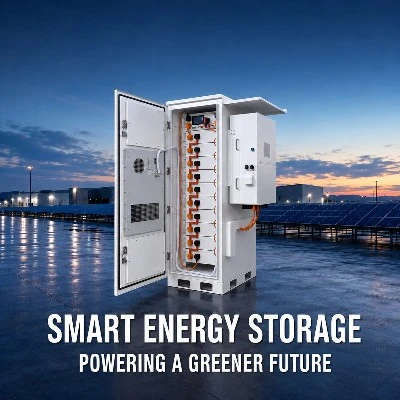
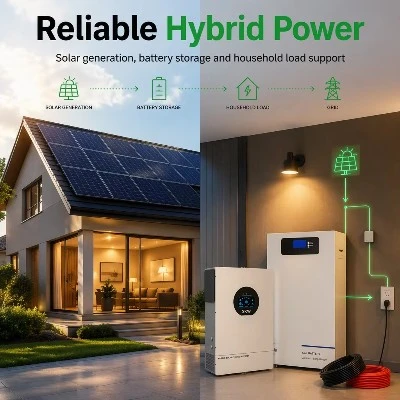


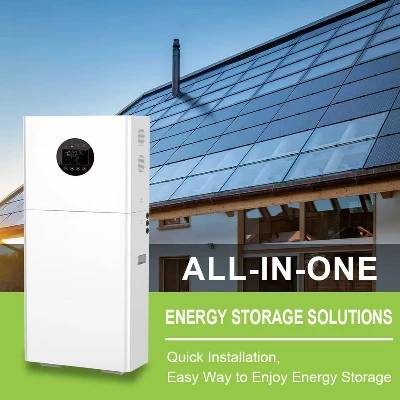


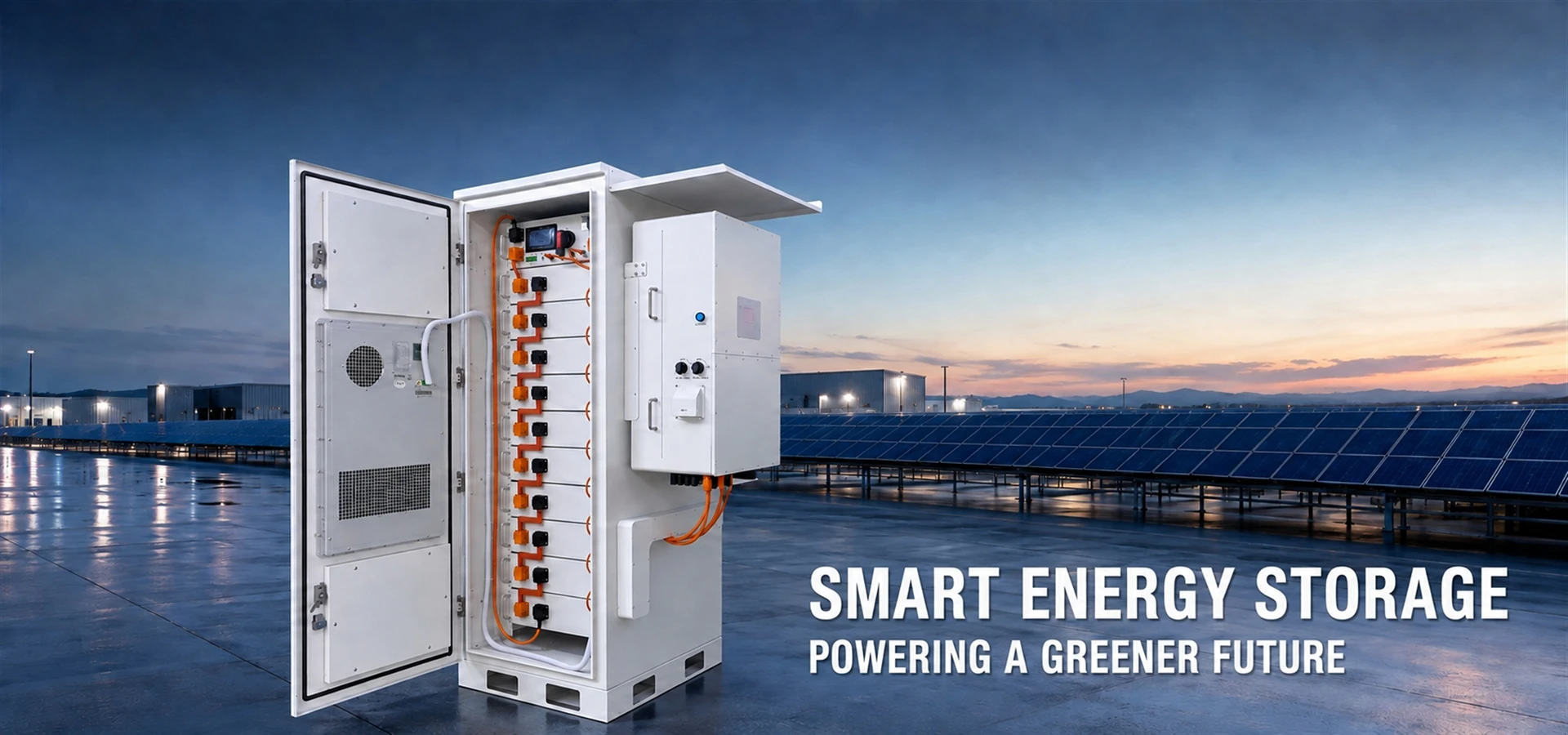
Commercial & Industrial Energy Storage System
Turn solar generation, grid electricity and high-voltage LiFePO4 storage into a controllable business energy resource. SIY SOLAR configures commercial battery storage around real facility loads, operating schedules, tariff structures and resilience priorities.

A project-specific C&I energy storage system can coordinate photovoltaic generation, utility supply, battery charging, facility loads and optional generator support.
Store Electricity When It Is Available and Dispatch It When It Creates Value
A commercial energy storage system should begin with the facility's load profile, not a generic battery size. The right architecture connects power, usable energy, operating logic and site constraints to a measurable business objective.
Peak Demand Management
Discharge stored energy during selected demand peaks to support an approved peak-shaving strategy and reduce avoidable capacity pressure.
Higher Solar Self-Consumption
Retain selected surplus photovoltaic production and use it later, helping the facility consume more of the solar energy generated on site.
Critical-Load Resilience
Support defined essential circuits when the design includes suitable isolation, transfer equipment, inverter output and stored-energy reserve.
Time-Based Energy Control
Charge and discharge according to approved schedules, tariff periods, solar forecasts and battery operating limits managed through the EMS.
One Controlled Path From Energy Sources to Facility Loads
Each layer performs a distinct job. Generation and grid supply enter the system, the PCS and EMS manage conversion and dispatch, the battery stores energy, and approved loads receive power according to the selected operating strategy.
Solar Generation
Compatible photovoltaic strings supply DC power for direct use or battery charging.
Grid or Generator
Utility power and an optional compatible generator provide additional energy sources.
Power Conversion
The PCS performs controlled bidirectional conversion between the AC and DC sides.
LiFePO4 Storage
The high-voltage battery stores and releases energy inside defined BMS limits.
Loads and Monitoring
The EMS coordinates dispatch while operating data, status and alarms remain visible.
Choose Power, Energy and Cooling as One System Decision
The following reference configurations are separated by model so that voltage, efficiency, environmental limits and cooling data are not mixed. Final availability and commercial scope are confirmed in the project quotation.
100 kW / 241 kWh
Outdoor all-in-one cabinet for commercial energy shifting, solar integration and configured backup applications.
- Battery chemistry
- LFP, 314 Ah cells
- Rated AC power
- 100 kW
- Battery range
- 672-876 V
- Rated current
- 157 A at 0.5C
- Nominal AC
- 400 V, 50 Hz
- System efficiency
- ≥88% round-trip
- Protection
- IP55, C4
- Operating range
- -20 to 55°C
- Dimensions
- 1490 x 1182 x 2210 mm
- Approx. weight
- 2700 kg
The documented PCS reaches up to 98.5% conversion efficiency. This is a converter value and is not the same as the complete system round-trip efficiency.
125 kW / 241.2 kWh
Integrated hybrid configuration with photovoltaic input, programmable operating modes and optional generator coordination.
- Battery chemistry
- LFP, 314 Ah cells
- Rated AC power
- 125 kW
- Nominal voltage
- 768 V
- Battery range
- 600-876 V
- PV input capacity
- Up to 75 kW
- MPPT channels
- 4 MPPT / 8 inputs
- Protection
- IP55
- Operating range
- -25 to 55°C
- Dimensions
- 1200 x 1245 x 2381 mm
- Reference weight
- ≥3100 kg
Cycle-life reference: 8,000 cell cycles at 25±2°C, 0.5C, 90% DOD and 70% EOL. Actual system life depends on operating conditions, controls and maintenance.
125 kW / 261.248 kWh
Higher-capacity liquid-cooled industrial energy storage solution for demanding commercial duty cycles and outdoor deployment.
- Battery chemistry
- LFP, 314 Ah cells
- Rated AC power
- 125 kW
- Nominal voltage
- 832 V
- Battery range
- 650-949 V
- Rated current
- 157 A at 0.5C
- System efficiency
- ≥88% round-trip
- Protection
- IP55, C4
- Operating range
- -35 to 55°C
- Dimensions
- 1200 x 1400 x 2490 mm
- Reference weight
- <3000 kg
The liquid-cooled design uses a 6 kW chiller reference. Operation above 45°C and above 2000 m may require derating according to the selected model documentation.
51.2 V / 314 Ah Rack Battery
The 16S1P LiFePO4 battery pack provides 16.076 kWh of nominal energy and can be coordinated into a compatible high-voltage battery architecture.
| Reference configuration | Cooling | AC and battery architecture | Communication | Best-fit project discussion |
|---|---|---|---|---|
| 100 kW / 241 kWh | Air conditioner and fan cooling | 400 V AC; 672-876 V battery range | Ethernet, RS485, CAN, Type-C | Solar self-consumption, peak management and configured backup |
| 125 kW / 241.2 kWh | Intelligent air cooling | 220/380 V AC; 600-876 V battery range | Wi-Fi, 4G, LAN, CAN, RS485 | Hybrid PV-storage projects requiring flexible source coordination |
| 125 kW / 261.248 kWh | 6 kW liquid cooling reference | 400 V AC; 650-949 V battery range | RS485, Ethernet, CAN | Higher-energy commercial duty cycles and controlled outdoor operation |
| 51.2 V / 314 Ah pack | Pack-level fan cooling | 16S1P, 40-58.4 V documented limits | CAN-based BMU coordination | Compatible high-voltage rack and cabinet battery assemblies |
Swipe horizontally to compare all technical columns.
Generation, Conversion and Storage Must Be Selected Together
System performance depends on compatibility across the complete architecture. SIY SOLAR reviews photovoltaic strings, inverter or PCS limits, battery voltage, communication protocols, protection and the intended operating mode before equipment is confirmed.

Solar Generation
Commercial Photovoltaic Modules
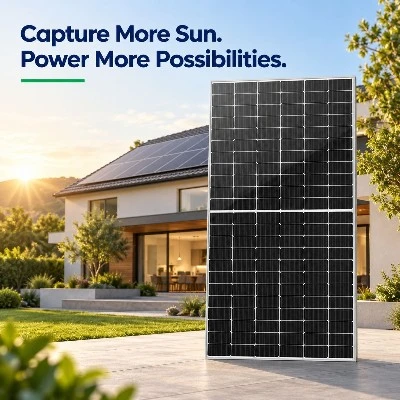
PV modules provide the generation surface. String voltage, current, module count, installation area, structure, shade and environmental exposure must suit the selected power-conversion equipment.
- Commercial rooftop and ground-mounted arrays
- Model-specific voltage and current coordination
- Mono, bifacial and double-glass options

Conversion and Control
Integrated PCS, MPPT and EMS
The conversion layer manages bidirectional AC/DC power flow. Depending on the cabinet, it may also coordinate photovoltaic MPPT input, grid operation, generator support, source priority and remote monitoring.
- On-grid, off-grid and UPS operating concepts
- Power, voltage and communication matching
- Programmable EMS dispatch strategies

High-Voltage Storage
LiFePO4 Battery and BMS
Battery modules store energy inside defined voltage, current, temperature and SOC windows. The BMU, high-voltage control box and system BMS coordinate measurement, protection, contactors and communication.
- 314 Ah LFP cell platforms
- Pack, cluster and cabinet-level management
- Voltage, temperature and current monitoring
Air-Cooled or Liquid-Cooled Energy Storage
Cooling is not a cosmetic product difference. Ambient temperature, cycling intensity, cabinet layout, noise limits, maintenance access and expected operating profile all influence the correct choice.
Air-Cooled ESS Cabinet
Available in the documented 100 kW/241 kWh and 125 kW/241.2 kWh reference configurations.
- Industrial air conditioning and managed internal airflow
- Familiar maintenance approach for many commercial sites
- IP55 outdoor cabinet protection in the listed configurations
- Operating limits and derating follow the selected datasheet
Liquid-Cooled Commercial ESS
Represented by the documented 125 kW/261.248 kWh system with a 6 kW chiller reference.
- Controlled liquid circulation for battery thermal management
- Suitable for higher-energy cabinets and demanding operating profiles
- IP55 system enclosure and C4 corrosion class in the listed configuration
- Chiller maintenance and installation clearances remain part of project planning
Configure the System Around the Site's Real Operating Priorities
A commercial battery energy storage system can support several objectives, but each mode requires its own metering, control logic, power reserve and permitted electrical arrangement.
Peak Shaving
Discharge during defined high-demand intervals to support demand management.
Solar Self-Consumption
Store selected excess PV generation for later use by facility loads.
Time-of-Use Shifting
Schedule charging and discharging around approved tariff periods and site needs.
Critical-Load Backup
Supply defined circuits when backup-capable switching and sufficient reserve are included.
Microgrid Operation
Coordinate local generation, storage and controlled loads inside an engineered microgrid.
Generator Coordination
Use a compatible generator as an additional source for long outages or weak-grid projects.
Factories and Workshops
Coordinate production loads, demand peaks, rooftop solar and selected backup circuits.
Warehouses and Distribution
Support lighting, refrigeration, charging equipment and time-dependent operating loads.
Retail and Office Properties
Increase on-site solar use and manage predictable daytime electricity demand.
Hotels and Service Facilities
Plan energy shifting and resilience for guest services and selected essential systems.
Farms and Processing Sites
Coordinate solar generation with processing, cold storage and remote operating requirements.
Campuses and Remote Facilities
Combine PV, batteries, utility supply and optional generation where continuity matters.
Safety Is Built Through Coordinated System Layers
No single component creates a safe energy storage installation. Battery supervision, electrical protection, thermal management, fire detection, emergency controls and qualified commissioning must work together.
Battery Management
Monitors cell voltage, temperature, current, insulation and operating limits while coordinating warnings and protection.
Electrical Conversion
Provides controlled charge and discharge with model-specific overcurrent, voltage, short-circuit and temperature protection.
Energy Management
Centralizes operating strategy, monitored power flow, schedules, equipment status and alarms.
Fire Protection
Selected cabinets can include smoke and temperature detection, alarms and model-specific suppression architecture.
High-Voltage Protection
Contactors, breakers, fuses, pre-charge circuits and emergency stops control the high-voltage path.
Remote Visibility
Ethernet, RS485, CAN, LAN, Wi-Fi or 4G options support monitoring according to the selected platform.
Make Every Recommendation Traceable
Credible system selection should connect each commercial claim to an exact model, documented test condition, system drawing and clearly stated project assumption.
Exact Model Documentation
Confirm the cabinet, PCS, battery pack, BMS, EMS, thermal system and optional equipment listed in the quotation.
Electrical Design Record
Review the single-line diagram, voltage windows, current limits, switching, grounding, protection and communication plan.
Performance Conditions
Keep cycle life, efficiency, temperature, altitude and derating conditions beside the values they qualify.
Defined Delivery Responsibility
State who supplies engineering, freight, unloading, installation, grid approval, commissioning, training and after-sales support.
Information Required for a Credible Energy Storage Proposal
Power in kW defines how much the system can deliver. Energy in kWh helps define how long it can deliver it. Both values must be connected to operating data and the required reserve strategy.
Interval Load Data
Provide recent electricity bills and, whenever possible, 15-minute or hourly load data showing demand peaks and operating patterns.
Electrical Service
Confirm grid voltage, frequency, phase configuration, transformer capacity and existing distribution equipment.
Solar Generation
Share the PV capacity, inverter models, string configuration, production profile and any planned expansion.
Critical Loads
List the circuits, running power, starting current and required backup duration instead of describing the whole facility as critical.
Installation Environment
Provide ambient temperature, altitude, humidity, corrosion exposure, foundation space, access and local noise requirements.
Commercial Objective
Define whether the priority is peak shaving, solar use, time-of-use shifting, backup, microgrid operation or a combined strategy.
Compliance Files Organized by Product, Shipment and Destination Market
The documentation package is matched to the selected model and target country. Product approvals, battery transport files and producer or packaging obligations are handled as separate compliance categories.
Product Approval Documents
Applicable market certification files can be supplied for the selected product and destination. The final document list is confirmed before order.
Safety and Shipping Documents
Battery shipment documentation is organized separately from product certification to support compliant logistics planning.
Producer and Packaging Compliance
EPR and PPWR obligations depend on destination, importer role, packaging and sales route. Required records are coordinated for the applicable market.
Questions to Settle Before Selecting a C&I Energy Storage System
These answers support early comparison. The final system design is controlled by the selected model documents, approved drawings and written commercial proposal.
Power in kW is matched to continuous loads, starting demand and charging or discharging requirements. Energy in kWh is matched to duration, usable SOC range, losses and reserve strategy.
Can commercial storage reduce electricity costs?It can support peak shaving, time-of-use shifting and higher solar self-consumption. Actual savings depend on tariff structure, operating strategy, system cost and site performance.
Can the system operate during a grid outage?Only when the project includes backup-capable conversion equipment, suitable transfer or isolation, sufficient output power and enough stored energy for the defined critical loads.
Can it work with an existing solar installation?Often yes, but the existing module strings, inverters, meters, grid connection and control method must be reviewed before an AC-coupled or DC-coupled approach is selected.
When should liquid cooling be considered?Liquid cooling may suit higher-energy cabinets or demanding cycling profiles. The decision also depends on ambient conditions, maintenance capability, installation space and lifecycle priorities.
Is the 8,000-cycle value valid for every configuration?No. The supplied 8,000-cycle reference applies to the listed 125 kW/241.2 kWh cell configuration under stated test conditions. Other products follow their own model documentation.
Which certifications and logistics files are available?The portfolio can be supported with CE, BIS, KC, UN38.3, MSDS and sea transport documentation, together with applicable EPR and PPWR coordination. Exact files are confirmed by model and market.
What should be included in a project quotation?Confirm equipment models, quantities, options, drawings, documentation, freight, unloading, installation, commissioning, training, warranty terms, exclusions and customer responsibilities.
Discuss Your Commercial Energy Storage Project
Send the facility location, electricity bills, interval load data, electrical service, solar information, critical loads, operating objective and installation conditions. Our team will use these inputs to identify suitable C&I energy storage configurations.
- Air-cooled and liquid-cooled cabinet selection
- PV, PCS, EMS and high-voltage battery coordination
- Grid-connected, backup and generator-assisted concepts
- Target-market certification and shipping documentation
- OEM/ODM discussion for qualified commercial projects
Submit Your C&I Energy Storage Requirements
Include the target country, required power, desired storage duration and project schedule so we can route your inquiry efficiently.