





SIY SOLAR Module Supply
Solar Panels Built Around Real Project Requirements
Photovoltaic modules for residential, commercial, agricultural, carport and ground-mounted projects, selected by power class, dimensions, electrical compatibility, certification, quantity and destination market.
TIP
Choose by compatibility—not wattage alone Confirm dimensions, Voc, Isc, temperature coefficients, string design, mounting method and certification before ordering.
Ask SIY SOLAR → -
![565W–585W Solar Panels For Philippine Projects]() 565W–585W Solar Panels For Philippine ProjectsPhilippine-focused supply for city rooftops, warehouses, resorts, agricultural buildings, community facilities and island destinations. SIY SOLAR helps distributors, installers and project buyersread more
565W–585W Solar Panels For Philippine ProjectsPhilippine-focused supply for city rooftops, warehouses, resorts, agricultural buildings, community facilities and island destinations. SIY SOLAR helps distributors, installers and project buyersread more -
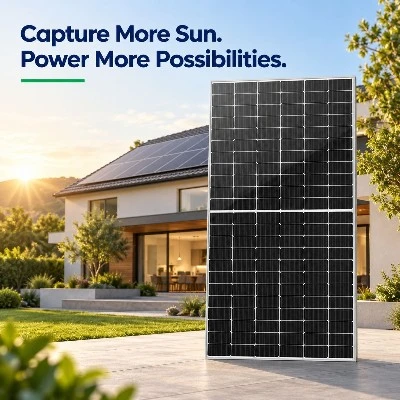
![Solar Panels]() Solar PanelsPhotovoltaic panels for residential rooftops, commercial buildings, ground-mounted arrays and remote projects, selected by power class, dimensions, electrical compatibility and destinationread more
Solar PanelsPhotovoltaic panels for residential rooftops, commercial buildings, ground-mounted arrays and remote projects, selected by power class, dimensions, electrical compatibility and destinationread more -
![Solar Panels For Home]() Solar Panels For HomeOur LiFePO4 Battery Packs are heavy-duty, rechargeable lithium solutions engineered for applications demanding extended operational lifespans, uncompromising safety, and consistent power delivery.read more
Solar Panels For HomeOur LiFePO4 Battery Packs are heavy-duty, rechargeable lithium solutions engineered for applications demanding extended operational lifespans, uncompromising safety, and consistent power delivery.read more -
![PV Module]()


Why Choose SIY SOLAR
Make Module Purchasing Easier to Verify
A dependable supplier should connect the commercial quotation with technical documentation, system compatibility and a clearly defined delivery scope.
Coordinated Product Supply
Source PV modules together with compatible inverters, batteries and balance-of-system options to reduce multi-supplier coordination.
Project-Based Selection
Review installation area, climate, electrical architecture, logistics and purchasing volume before confirming the model.
International Order Support
Support distributors, installers and project buyers with documentation, production communication, export packing and agreed after-sales procedures.
Technical Selection Guide
Compare the Complete Module—Not One Headline Number
Rated wattage helps narrow the range, but safe system design also depends on electrical limits, dimensions, temperature behavior and the selected installation environment.
Information to Send Before Quotation
These project facts help the SIY SOLAR team recommend a more relevant module family.
- Destination country and project location
- Roof, ground, carport or other installation type
- Target system capacity and available area
- Inverter model or electrical design window
- Required certification and delivery schedule
Power Class10W–750W, depending on the selected series and current availability.
Cell TechnologyMonocrystalline, N-Type or TOPCon options according to model.
Module ConstructionSingle-glass or glass-glass configurations may be available.
Electrical DataReview Vmp, Imp, Voc, Isc and maximum system voltage.
Temperature DataUse model coefficients for hot- and cold-condition string calculations.
Mechanical DataConfirm dimensions, weight, mounting zones and documented load ratings.
Operating EnvironmentMatch materials and product approvals to the actual site exposure.
Warranty & CertificationConfirm current terms and applicable certificates for the quoted model.
Specification notice: Values shown on a category page describe a product range, not one guaranteed model. Final power, efficiency, dimensions, electrical ratings, load ratings, warranty and certification must follow the selected module datasheet and commercial proposal.
Module Technology

MONO
N-TYPE
BI
FIT
Choose Construction That Suits the Project
Different module formats solve different space, yield, durability and budget priorities. The right choice depends on the complete installation, not a generic ranking.
Product-category reference image. Confirm the selected model page and datasheet for exact appearance and construction.
Monocrystalline Modules
A widely used format for residential and commercial projects where efficient use of installation area is important.
N-Type / TOPCon Modules
Current high-efficiency technology options for buyers prioritizing power density and long-term energy performance.
Bifacial Glass-Glass Modules
Suitable for projects designed to capture rear-side irradiance, subject to mounting height, surface reflectivity and layout.
Project-Specific Formats
Module size, frame, connector, cable and packaging requirements can be reviewed for qualified project or OEM orders.
Application Planning
APPLICATION 01
APPLICATION 02
APPLICATION 03
APPLICATION 04
APPLICATION 05
APPLICATION 06
One Module Category, Many Installation Environments
System yield and commercial value depend on how the modules are placed, connected and operated at the real site.
Residential Rooftops
Coordinate roof condition, shade, usable area, household consumption and inverter compatibility.
Commercial Buildings
Use factories, warehouses and office roofs to support daytime loads and long-term energy-cost planning.
Solar Carports
Combine parking shade with electricity generation while coordinating structure, drainage and vehicle clearance.
Utility-Scale Projects
Coordinate grid-connection requirements, generation targets, project documentation and phased module delivery for larger installations.
Ground-Mount Projects
Plan row spacing, terrain, foundations, maintenance access and the required electrical collection system.
Storage & Off-Grid Systems
Match PV generation with controller or inverter limits, battery capacity, load profile and required autonomy.
How Solar Power Reaches the Load
01CaptureCells receive available sunlight.
02GenerateThe module produces DC electricity.
03ProtectWiring and protection form the DC circuit.
04ConvertThe inverter supplies compatible AC power.
05Use / StoreEnergy serves loads or charges a battery.
A Photovoltaic Module Is One Part of the System
The array generates DC electricity. Protection, conversion, optional storage and monitoring turn that generation into a coordinated energy solution.
Customization & Delivery
01 / OUTPUT
02 / TECHNOLOGY
03 / BRANDING
04 / MARKET
Export Packaging
Shipping Coordination
Define the Order Before Production
Qualified volume and project orders can be reviewed for product, branding, packaging and delivery requirements.
Power & Format
Select a suitable wattage class, dimensions and construction from available module platforms.
Cell Platform
Review monocrystalline, N-Type, TOPCon and applicable bifacial product options.
OEM / ODM Scope
Discuss logo, labels, documentation and packaging for qualified purchasing volumes.
Project Requirements
Confirm certification, language, packing, destination and expected delivery schedule.
Module cartons, pallet protection and loading method are confirmed according to model, quantity and transport plan.
Sea, air or land transport options depend on destination, order volume, schedule and commercial terms.
Buyer FAQ
Questions to Answer Before Ordering Solar Panels
How long can solar panels operate?
Many module products are designed for long service lives, but product and performance warranty periods differ. Always review the current warranty document for the exact model.
How do I choose the right wattage?
Consider available area, target system capacity, module dimensions, inverter limits, climate, logistics and installation labor—not wattage alone.
Can these modules work with batteries?
Yes, when the module string, inverter or charge controller, battery and protection equipment are electrically compatible and correctly designed.
Which direction and angle work best?
The preferred orientation and tilt depend on location, roof geometry, shade, wind exposure and production objective. A site-specific design is more reliable than one universal angle.
What should an OEM inquiry include?
Send expected quantity, target market, required technology, power class, certification, branding scope, packaging requirements and delivery schedule.
What affects actual solar production?
Solar resource, orientation, temperature, shade, soiling, wiring, inverter efficiency, downtime and system losses all influence field output.
Start With Project Facts
Request Solar Panel Options for Your Market and Application
Send the destination country, project type, target capacity, available installation area, inverter information and expected order quantity. SIY SOLAR will use those details to prepare a more relevant product direction.
Contact SIY SOLARFinal specifications, pricing, warranty, certification, availability, packaging and delivery scope are confirmed in the selected product documents and commercial quotation.
As one of the most professional solar panel enterprises in China, we're featured by quality products and good service. Please rest assured to buy bulk high-grade solar panel in stock here from our factory. We also accept customized orders.
commercial solar installation companies, commercial solar system cost, commercial solar panel companiesSend Inquiry