





Your Professional Solar Inverter Manufacturer & Supplier
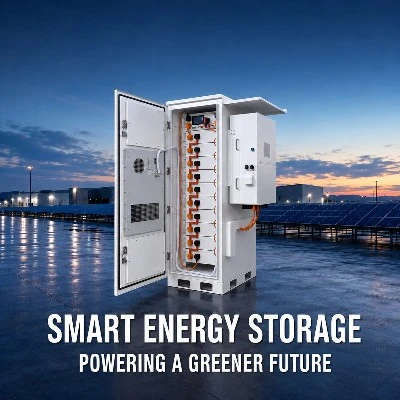
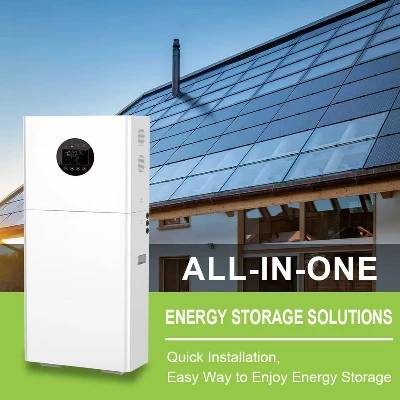
SIY Solar is a one-stop solar energy supplier focused on PV systems, energy storage, and integrated power solutions. With factory-direct supply and OEM/ODM support, we offer stable quality and competitive pricing. Our products are widely used in residential, agricultural, and commercial projects, with export experience in Europe, Southeast Asia, and the Middle East.
-
![Solar Hybrid Inverter]() Solar Hybrid InverterSuperior Conversion Efficiency: Every Solar Inverter we offer features advanced MPPT technology to track and capture the maximum energy possible. These Grid-tied and hybrid inverters are optimized toread more
Solar Hybrid InverterSuperior Conversion Efficiency: Every Solar Inverter we offer features advanced MPPT technology to track and capture the maximum energy possible. These Grid-tied and hybrid inverters are optimized toread more

Why Choose Us
Advanced Technology
We specialize in lithium iron phosphate (LiFePO4) energy storage systems with over 8000-cycle lifespan, and ensure full compatibility between inverters, batteries, and PV modules for optimized system performance.
One-Stop Solar Solution
From solar panels to energy storage systems and installation support, we offer complete integrated solutions, reducing multi-supplier complexity and improving project efficiency.
Global Market Experience
Our products are exported to Europe, Southeast Asia, and the Middle East, with proven experience in serving different markets and adapting solutions to various environmental and project requirements.
Specification
|
Item |
Specification |
|
Product Type |
Solar inverter |
|
System Type |
On-grid / Off-grid / Hybrid |
|
Power Range |
3kW – 12kW |
|
Battery Type |
Lithium / Lead-acid compatible |
|
Battery Voltage |
48V |
|
Output Voltage |
220V / 230V / 240V |
|
Frequency |
50Hz / 60Hz |
|
Waveform |
Pure sine wave |
|
MPPT Function |
Built-in MPPT controller |
|
Monitoring |
WiFi / APP monitoring |
|
Installation |
Wall-mounted |
|
Protection |
Overload, short circuit, over/under voltage |
|
Efficiency |
Up to 98% |

Increased efficiency
Solar inverters help to optimize the performance of the solar panels, resulting in increased efficiency and improved energy output.
Improved reliability
With a solar inverter in place, the solar energy system is less likely to experience power outages or malfunctions. This can result in improved reliability and peace of mind for the homeowner.
Increased safety
Solar inverters help to ensure that the electricity generated by the solar panels is safe for use in homes and businesses.
Increased energy independence
With a solar energy system and a solar inverter, homeowners and businesses can reduce their reliance on the traditional energy grid and become more energy independent.
Types of Solar Inverter
String Inverters
It is most common for residential and commercial systems to use string inverters, or central inverters. A single inverter converts the DC electricity generated by multiple solar panels in series into AC electricity.
Microinverters
A micro inverter converts DC electricity to AC electricity at the panel level, allowing each solar panel to operate independently. In addition to optimizing overall system efficiency, each panel can operate independently, even if some are shaded or dirty.
Power Optimizers
A power optimizer adjusts the DC voltage of the solar panels before they reach a central string inverter to maximize their output. In conjunction with a string inverter, they reduce shading and mismatch losses, providing similar benefits to microinverters.
Hybrid Inverters
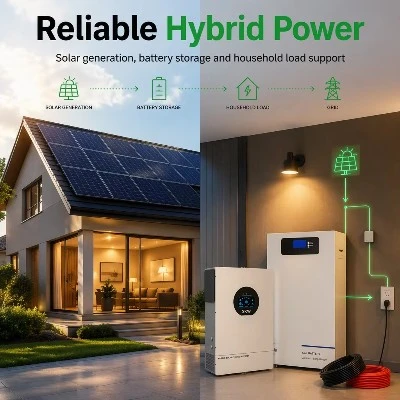
Solar power and battery storage systems can be integrated with hybrid inverters. Assist in coordinating energy flow between the solar panels, battery bank, and grid, allowing energy to be stored and used efficiently. A hybrid inverter allows for self-consumption of solar energy as well as backup power during power outages.
Off-Grid Inverters
In off-grid solar systems, typically in remote locations, inverters are used instead of utility grids. To make solar panels and batteries work independently, they convert DC electricity into AC electricity. A reliable power supply is ensured by the inclusion of battery chargers and energy management features in these inverters.
Central Inverters
Commercial or utility-scale solar installations use central inverters for high-capacity power conversion. Unlike string inverters, they can balance the power generated by multiple strings of solar panels. It is advantageous to use central inverters for large-scale projects because they simplify wiring and achieve economies of scale.
Components of Solar Inverter
|
Component |
Function |
|
DC-AC Converter |
Converts direct current (DC) to alternating current (AC) |
|
MPPT Controller |
Maximizes power extraction from solar panels |
|
Microprocessor Unit |
Controls inverter operations and monitors performance |
|
Cooling System |
Prevents overheating and ensures stable operation |
|
Protective Circuits |
Safeguards against overvoltage, short circuits, and surges |
Working Process of Solar Inverter
DC to AC Conversion
Inversion Process: Solar panels generate DC electricity, where the flow of electric charge is unidirectional. The inverter converts this DC into AC, where the flow of current periodically reverses direction. This conversion is achieved through electronic circuits and switches within the inverter.
Pulse Width Modulation (PWM): Many inverters use PWM techniques to create a smooth AC waveform from the DC input. This involves switching the DC voltage on and off rapidly and adjusting the width of the pulses to shape the AC output.
Maximum Power Point Tracking (MPPT)
Optimizing Output: Solar panels' output can vary based on factors like sunlight intensity and temperature. MPPT is a technology used by inverters to continuously adjust the electrical operating point of the solar panels to ensure they produce the maximum possible power.
Efficiency: By optimizing the power output, MPPT increases the overall efficiency of the solar power system, ensuring that more of the energy captured by the panels is converted into usable electricity.
Grid Synchronization
Phase Matching: In grid-tied solar power systems, the inverter must synchronize with the electrical grid's voltage and frequency. This involves aligning the AC output of the inverter with the grid's AC waveform to ensure smooth integration and prevent electrical disturbances.
Safety Features: Inverters also include safety features to disconnect from the grid in the event of power outages or grid issues, preventing potential harm to utility workers and ensuring the safety of the system.
Monitoring and Communication
Performance Tracking: Many modern inverters have built-in monitoring systems that track the performance of the solar power system. This data can be accessed through apps or web interfaces, allowing users to monitor energy production, detect issues, and perform maintenance.
Communication with the Grid: Inverters communicate with the electrical grid to manage the flow of electricity. This includes sending excess power back to the grid and adjusting the output based on grid demands and regulations.
Application of Solar Inverter
Outdoor equipment
In outdoor activities, most of the power is supplied by digital electronic products such as lighting, fans, tablets and mobile phones. The solar inverter adopts a portable design, which has the characteristics of small size, light quality, high performance, strong practicability, and durability.
Household equipment
Usually direct current is directly converted into alternating current, and then power is supplied to the device. Electrical appliances that can be used include desk lamps, fans, computers, rice cookers, televisions, refrigerators, washing machines, air conditioners, soybean milk makers, electric kettles, ovens, projectors, and hair dryers, induction cooker and most other household appliances.
Farm and pasture
The use of solar photovoltaic panels to absorb light radiation, with the help of inverter conversion, directly supplies power to agricultural equipment, so that farm work is no longer limited by distance, terrain and power, which greatly reduces agricultural operating costs, which is ideal. The integrated green new technology energy that integrates economy, reliability and environmental protection benefits.
Remote areas
It is suitable for small and medium-sized households, especially those in remote villages, plateau areas, mountains, islands, farming and pastoral areas, border guard posts, etc. that are far away from the power grid or in areas with underdeveloped electricity. They do not need to be integrated into the power grid, implementation of the solution to solve the basic living electricity for the military and civilians in areas without electricity.
Power generation field
Solar power generation can be installed in a portable way and does not easily occupy too much soil resources. It has the characteristics of cost saving, safe and reliable power generation, etc. In addition, it can effectively reduce the cost of energy input such as communication bases and monitoring systems, and reduce carbon emissions to minimize energy costs. Invest in and reduce your environmental impact.
Transportation
With the help of installing solar power generation systems, it can provide power protection for RVs, ships and other means of transportation. Use solar panels to absorb the sun's light, charge the reserve battery, and then convert it to AC current for daily use with the help of an inverter. The system has simple design, easy installation, easy transportation, zero pollution, no noise, green energy, safe and reliable operation, and the solar power supply system is stable and reliable, and can meet power problems at any time.
Power Capacity Options
Flexible output power range from residential small systems to higher-capacity hybrid solutions for different household and commercial applications.
System Mode Customization
Configurable for on-grid, off-grid, and hybrid working modes based on energy usage requirements.
MPPT & PV Input Configuration
Adjustable MPPT tracking range, PV input voltage, and charging parameters to match different solar panel setups.
Output & Electrical Settings
Custom output voltage (110V / 220V / 230V / 240V), frequency (50Hz / 60Hz), and grid compatibility depending on target market.
OEM & ODM Service
Logo printing, firmware customization, housing design, packaging, and technical parameter adjustment available for different branding and project needs.

Packaging and Shipping
|
Packaging |
Strong export carton |
|
Transportation methods |
Sea freight / Air freight / Express |
As one of the most professional solar inverter enterprises in China, we're featured by quality products and good service. Please rest assured to buy bulk high-grade solar inverter in stock here from our factory. We also accept customized orders.
hybrid solar inverter with battery storage integration, transformerless solar inverter for commercial rooftop, solar inverter with reactive power compensation