



SIY SOLAR Photovoltaic Product Selection
PV Module
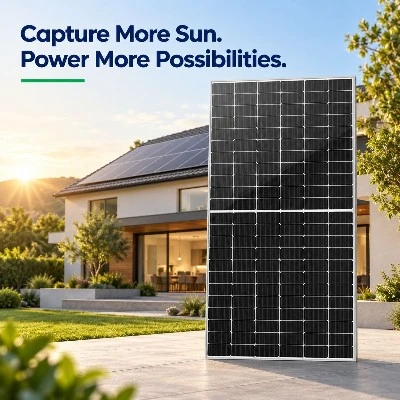
Create a dependable solar-generating surface for a residence, commercial property, RV or independent site. SIY SOLAR helps buyers match each PV Module to available space, electrical architecture and project conditions before equipment is ordered.
The electricity-producing layer of a solar project
Photovoltaic cells generate direct-current electricity when exposed to light. A PV Module connects and protects those cells inside one installable product; multiple modules can then be configured as a solar array.
What the module does
The module collects available solar energy and provides DC output. It does not independently provide complete household AC power, automatic backup or battery management.
- Receives light The cell surface captures available solar radiation.
- Creates DC electricity The photovoltaic effect produces an electrical current.
- Feeds compatible equipment Output is routed to an inverter or charging device.
What buyers are actually purchasing
A finished module combines electrically active and protective components. Construction varies by product, so model-specific drawings and installation instructions remain the controlling source.
- Photovoltaic cells
- Semiconductor devices responsible for electricity generation.
- Transparent front
- Admits light and helps protect the cell circuit from exposure.
- Encapsulation
- Supports and isolates the connected cells within the assembly.
- Rear layer
- Backsheet or rear-glass construction selected by product design.
- Frame or edge
- Provides mechanical support and approved mounting locations.
- Junction box
- Provides the module's electrical connection to the wider circuit.
Select the module for its working environment
The same PV technology can serve different energy goals, but roof, ground, vehicle and remote projects require different mechanical and electrical decisions.
Residential rooftops
Residential solar panels should be planned around usable roof geometry, household consumption and the selected home solar power system architecture.
- Roof condition and attachment method
- Orientation, shade and access
- Service and inverter compatibility
Commercial properties
Commercial arrays require coordinated layout, structural review and an electrical design suited to the property's operating profile.
- Large usable surfaces
- Demand and operating hours
- Engineering and project scope
Independent energy
An off grid solar system must balance generation with expected loads, seasonal sunlight and solar battery storage rather than relying on module wattage alone.
- Daily energy requirement
- Battery charging strategy
- Autonomy and seasonal margin
Vehicle and mobile use
RV solar panels must suit available space, vehicle structure, vibration conditions and the input limits of the charging equipment.
- Dimensions and mass
- Secure cable routing
- Controller operating window
Compare modules with a repeatable technical checklist
A 400 watt solar panel may be attractive on a product listing, but rated power is only one input. A responsible comparison also considers electrical limits, physical fit, climate and warranty scope.
| Decision area | Question to answer | Project evidence |
|---|---|---|
| Installation area | How many modules fit after required clearances and obstructions? | Dimensioned roof, ground or vehicle layout. |
| Electrical design | Will all string values remain inside the receiving equipment limits? | String calculation using model-specific electrical data. |
| Environmental exposure | Which temperature, wind, snow or corrosion conditions apply? | Documented project assumptions and engineering review. |
| Mounting method | Where may clamps, rails or fasteners connect to the product? | Installation manual and mounting-system documentation. |
| Commercial scope | Are freight, mounting, wiring, protection and labor included? | Itemized quotation listing inclusions and exclusions. |
| After-sales support | Who handles documentation, technical questions and warranty claims? | Written support route and current warranty procedure. |
Build beyond the panel
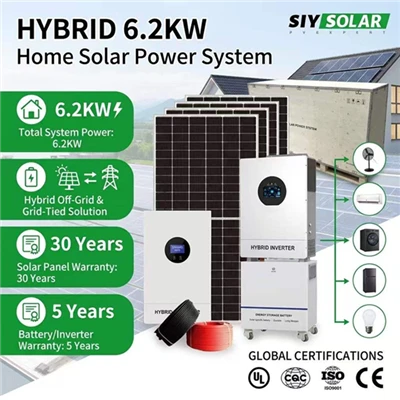
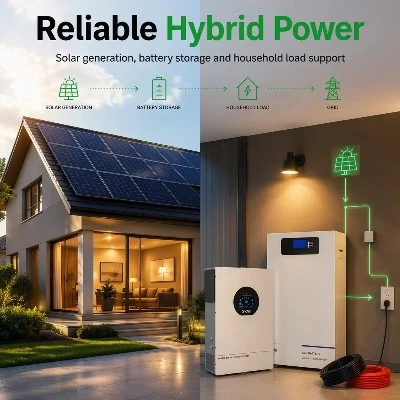
Modules create DC electricity. A usable solar power system also needs energy conversion, mounting, protection and, when the project requires it, storage and backup controls.
Generate
PV modules collect available sunlight and create DC output.
Protect
Cables, isolation, grounding and overcurrent devices support the circuit.
Convert
An inverter changes compatible DC input into usable AC electricity.
Store
An optional solar panel battery retains selected energy for later use.
Monitor
Compatible controls report production and operating information.
Modules and mounting
Selected PV Module quantity, rails or support structure, clamps, roof attachments and cable management.
Inverter or controller
A grid-connected, hybrid or battery-charging design matched to array output and the intended loads.
Electrical balance of system
Conductors, connectors, isolators, grounding and protection specified for the designed circuits.
Solar panels with battery storage
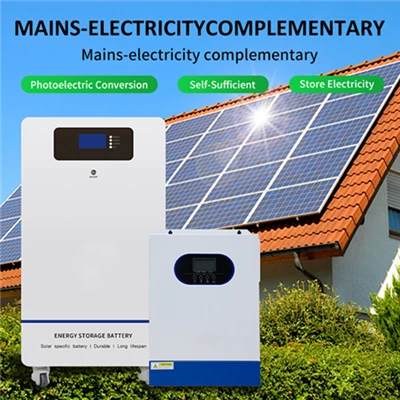
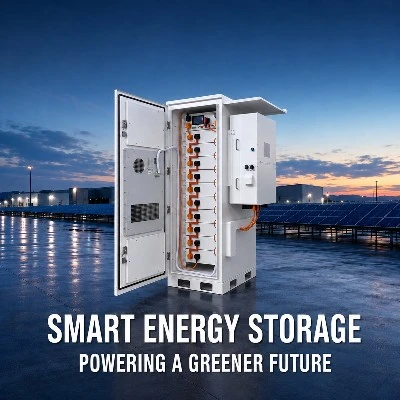
Battery chemistry, capacity and output selected for energy shifting, configured backup or off-grid use.
Solar generator for home
A compatible module may recharge a portable unit when voltage, current, power and connectors meet its documented PV input.
MPPT solar charge controller
Battery-based systems require controller limits that remain compatible with the complete module array.
Understand what sits behind the project price
Online solar panel price figures can describe a single product, wholesale equipment or a complete installation. Solar cost becomes meaningful only when every quotation uses the same scope.
Module price is not installed price
The average cost of solar panels does not automatically include engineering, mounting, conversion equipment, batteries, approvals or installation labor.
Make every recommendation traceable
Credible product selection begins with real project inputs and model-specific documents. SIY SOLAR avoids treating estimated output or generic search phrases as guaranteed project results.
Documents to review before ordering
- Exact PV Module datasheet and model designation
- Mechanical drawing, dimensions and module mass
- Installation, mounting and grounding instructions
- Product warranty and performance warranty terms
- Applicable certifications for the selected product
- Inverter or charge-controller compatibility calculation
- Packaging, transportation and storage information
- Commercial scope, exclusions and support responsibility
Project information to confirm
- Country, city and intended installation environment
- Roof, ground or vehicle dimensions and usable area
- Shade, orientation, temperature and weather exposure
- Target annual production or daily energy requirement
- Grid-connected, hybrid, backup or off-grid objective
- Existing inverter, controller and battery information
- Required module quantity and electrical configuration
- Local permit, utility and installation responsibilities
Separate module products from adjacent solar categories
Similar search terms may describe substantially different products, supply scopes and installation methods.
Solar roof tiles
Building-integrated photovoltaic products designed to perform a roofing and power-generation role.
Solar roof shingles
Roof-integrated products requiring a different installation approach from standard framed roof solar panels.
Solar panel kit
A bundled offer whose contents vary; verify mounting, inverter, protection, cables and documentation.
DIY solar system
A self-managed project that still requires compatible components, safe installation and applicable approval.
Solar power generator for home
A phrase often used for a portable battery product rather than a permanent whole-property array.
Solar kits
Packages that may include only selected hardware; the inclusion list should be checked before comparison.
Smart solar savings
A potential result influenced by production, self-consumption, electricity rates and full project cost.
Solar energy companies
Manufacturers, suppliers, designers and installers have different responsibilities and support capabilities.
Sun solar company
A broad search phrase; buyers should verify the provider's actual role, documents and after-sales process.
Questions to settle before purchase
These concise answers support early product comparison. The selected model documents and project calculations control the final design.
Is a PV Module the same as a solar panel?
The terms are commonly used interchangeably. A module is a protected assembly of photovoltaic cells; interconnected modules form a solar array.
Can one module power a complete home?
No universal answer applies. A solar for home project, and solar power for home more broadly, normally requires multiple modules, an inverter, mounting, protection and optional battery storage.
How many solar panels for home use are needed?
Quantity depends on energy use, sunlight, shade, available area, module rating, system losses and the intended production target.
Can modules charge a portable power product?
Yes, when the array voltage, current, wattage, polarity and connectors remain inside the product's documented solar-input limits.
Can modules be used with battery storage?
Yes. The inverter or controller, solar panel battery and protection equipment must be designed as one compatible architecture.
How should buyers compare solar companies?
The best solar panel companies and top solar companies should provide exact model data, warranty terms, design assumptions, inclusions and a clear support route.
Are solar shingles a direct substitute?
Not automatically. Solar roof tiles and shingles combine roofing and generation, so their design and installation differ from framed modules.
What should a project inquiry include?
Send the location, application, dimensions, energy goal, inverter or controller data, storage requirement and desired purchasing scope.
Choose a SIY SOLAR PV Module that fits the complete system
Tell us where the modules will be installed, how much usable space is available, what energy result is expected and which inverter, controller or battery will be used. We can prepare relevant options for residential, commercial, RV and independent-energy projects.
Hot Tags: pv module, China pv module manufacturers, suppliers, factory, Commercial Solar Panels, commercial solar installation companies, commercial solar system cost, commercial solar power companies, commercial solar panel cost, solar panels for commercial buildings cost