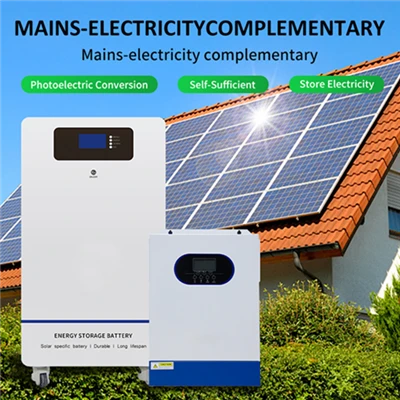
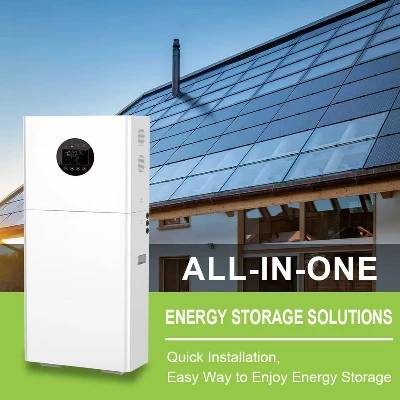
C&I Hybrid Solar Storage System

C&I Hybrid Solar Storage System
Details:
A C&I Hybrid Solar Storage System combines solar PV generation, battery energy storage, hybrid inverters, and an intelligent Energy Management System (EMS) to optimize energy usage throughout the day.
Send Inquiry
Download
Description
Technical Parameters

Engineered Solar + Battery Storage Solutions for Commercial and Industrial Energy Management


A C&I Hybrid Solar Storage System combines solar PV generation, battery energy storage, hybrid inverters, and an intelligent Energy Management System (EMS) to optimize energy usage throughout the day.


We design customized hybrid solar storage solutions for factories, warehouses, logistics centers, commercial buildings, industrial parks, agricultural facilities, and other C&I applications. Each system is designed according to actual electricity consumption patterns, operating conditions, local grid requirements, and project objectives.


Why Businesses Choose Solar + Storage


Solar generation and electricity demand are not always synchronized.


Many commercial facilities produce the most solar energy during daytime hours, while their highest electricity consumption may occur later in the day. Battery storage solves this mismatch by storing available energy and releasing it when it creates the most value.
A hybrid solar storage system helps businesses:


Increase Solar Self-Consumption
Store excess solar generation during the day and use it during periods of higher electricity demand.


Optimize Electricity Costs
Reduce electricity purchases during expensive tariff periods by using stored energy when grid power costs increase.


Manage Peak Demand
Support peak demand reduction by supplying additional power during high-consumption periods.


Improve Energy Reliability
Provide backup power capability for critical loads when grid interruptions occur, depending on system configuration.


Support Sustainability Goals
Improve renewable energy utilization and provide energy data for carbon reduction programs and ESG initiatives.
The actual economic benefits depend on electricity tariffs, solar conditions, facility operating schedules, battery capacity, and system design.


Typical Applications


C&I hybrid solar storage systems are designed for facilities where energy costs, power reliability, or renewable energy utilization are important operational factors.
Typical applications include:

Manufacturing plants
Industrial facilities
Warehouses and logistics centers
Commercial buildings
Shopping centers
Cold storage facilities
Food processing facilities

Hotels and resorts
Hospitals and healthcare facilities
Schools and campuses
Industrial parks
Agricultural facilities
Remote commercial sites with unstable grid conditions


Key Business Advantages

Intelligent Energy Management


The EMS coordinates solar generation, battery charging, battery discharge, and grid interaction based on predefined operating strategies.
This allows facilities to use energy more efficiently without requiring manual adjustment of daily operation.

Peak Demand Management


Many commercial electricity tariffs include demand charges based on the highest power demand recorded during a billing period.
Battery storage can provide additional power during peak periods, helping reduce grid demand and improve electricity cost management.

Time-of-Use Energy Optimization


For regions with different electricity prices throughout the day, the system can charge and discharge batteries according to tariff schedules.
This enables businesses to shift energy usage away from expensive electricity periods.

Backup Power Capability


When configured for backup operation, the system can maintain power supply for important equipment such as:

  • Production systems
  • Server rooms
  • Refrigeration equipment
  • Security systems
  • Communication infrastructure

Flexible System Expansion


Commercial energy requirements often change over time.
A modular system design allows future expansion of battery capacity or additional energy applications, depending on the original system configuration.


Engineering Design Based on Real Project Conditions


A reliable hybrid solar storage system starts with accurate project analysis. 

Annual and monthly electricity consumption
Daily load profiles
Facility operating schedules
Peak demand characteristics
Available installation area

Solar resource conditions
Electricity tariff structure
Backup power requirements
Grid connection requirements
Future expansion plans

Based on this information, we determine:

PV system capacity

Battery storage capacity

Inverter configuration

Energy management strategy

Electrical system design


Complete System Configuration


We provide complete hybrid solar storage solutions based on project requirements.
A typical system includes:

01/

Solar PV Modules
High-efficiency solar modules selected according to project size, environmental conditions, and performance requirements.

02/

Hybrid Inverter / Power Conversion System (PCS)
Manages energy conversion between solar generation, battery storage, facility loads, and the grid.

03/

Battery Energy Storage System (BESS)
Lithium Iron Phosphate (LFP) battery technology is commonly used for commercial applications due to its long cycle life, safety characteristics, and suitability for frequent charging and discharging.

04/

Battery Management System (BMS)
Monitors battery operating conditions, safety protection, and performance data.

05/

Energy Management System (EMS)
Controls system operation, monitors energy flow, and supports different energy management strategies.

06/

Balance of System Components
Including protection devices, distribution equipment, monitoring systems, and project-specific electrical components.


Project Engineering & Delivery Support


We supports customers throughout the project lifecycle, from initial evaluation to system commissioning.
Our engineering support includes:

Energy Assessment

Analyze electricity consumption, operating patterns, and project objectives.

01

System Design

Develop PV capacity, battery sizing, inverter selection, and system architecture.

02

Technical Documentation

Provide electrical drawings, equipment specifications, and technical documents required for project implementation.

03

Installation Support

Assist EPC partners and installers with technical guidance during deployment.

04

Commissioning & Monitoring

Support system commissioning, remote monitoring setup, and technical troubleshooting.

05


Why Global B2B Customers Choose Us


We focuses on commercial and industrial energy solutions, supporting EPC contractors, distributors, developers, and facility owners worldwide.


Customized System Engineering: Solutions designed according to actual electricity usage, project conditions, and energy objectives.


Flexible Equipment Integration: System configurations adapted to different PV modules, inverters, battery technologies, and project requirements.


B2B Technical Support: Engineering documents, system information, and technical assistance to support commercial project implementation.


Scalable Energy Solutions: System architectures designed to support future expansion and changing energy needs.


International Project Experience: Support with technical communication, documentation, logistics coordination, commissioning assistance, and after-sales service.


FAQ


Q: What is the difference between a hybrid solar storage system and a conventional grid-tied system?

A: A hybrid system combines solar PV with battery storage, allowing excess electricity to be stored and used later or during power outages. Conventional grid-tied systems generally export surplus electricity directly to the utility grid and cannot provide backup power without additional storage.

Q: How is the battery capacity determined?

A: Battery capacity is calculated based on electricity consumption patterns, peak demand, backup power requirements, utility tariffs, and the desired operating strategy. Proper sizing helps optimize both system performance and investment.

Q: Can the system operate during a power outage?

A: Yes. When designed with backup functionality, the system can automatically supply designated critical loads using stored battery energy and available solar generation, depending on the inverter configuration and battery capacity.

Q: Is the system suitable for time-of-use electricity pricing?

A: Yes. It can automatically charge and discharge batteries according to local tariff schedules, helping reduce electricity costs during expensive peak pricing periods.

Q: Can additional batteries be installed in the future?

A: In most cases, yes. Modular battery architecture allows future expansion, subject to the original system design and equipment compatibility.

Q: Which battery technology is typically used?

A: Most commercial systems use Lithium Iron Phosphate (LFP) batteries because of their long cycle life, thermal stability, and suitability for frequent charge and discharge applications.

Q: Can the system work together with diesel generators?

A: Yes. Hybrid systems can coordinate battery storage with diesel generators to improve fuel efficiency and provide more stable power in locations with unreliable grid infrastructure.

Q: What information is required for a quotation?

A: To recommend a suitable solution, we typically require the project location, electricity consumption data, utility tariff information, available installation area, backup power requirements, and local grid connection requirements.


Hot Tags: c&i hybrid solar storage system, China c&i hybrid solar storage system factory, 50kw commercial solar energy system, commercial solar energy system for warehouse facilities, commercial solar energy system with remote monitoring, industrial solar power system, modular commercial solar energy system, solar power panels

Send Inquiry