

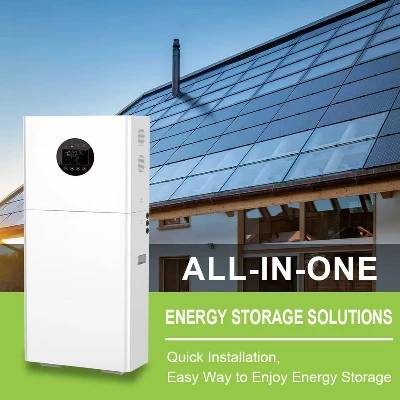


Commercial PV & BESS Integration: Mitigating Demand Charges Via 210mm TOPCon Modules And Liquid-Cooled LFP Storage Systems
Industrial facility operations require predictable baseline energy costs. By combining utility-scale N-type solar arrays with integrated Battery Energy Storage Systems (BESS), modern manufacturing plants can systematically manage peak demand spikes, transition inductive loads during high-tariff periods, and stabilize 3-phase grid power inputs without relying entirely on volatile local utility supply curves.

Managing Facility Demand Spikes via Behind-the-Meter LFP Battery Discharging
While standard commercial rooftop procurement often involves localized regional brokers, Tier-1 EPC developers and high-volume industrial operators source directly from our manufacturing facility. Engineering an integrated system on a single production floor eliminates multi-tier trading margins and prevents common Modbus/CAN-bus communication mismatches between mismatched inverters and battery management systems (BMS).
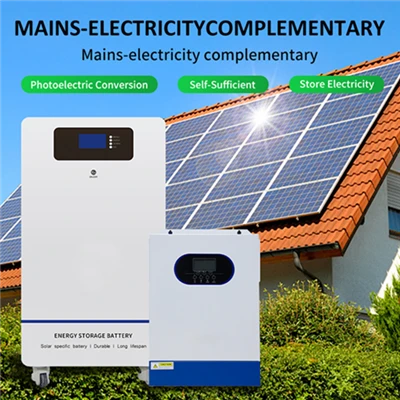
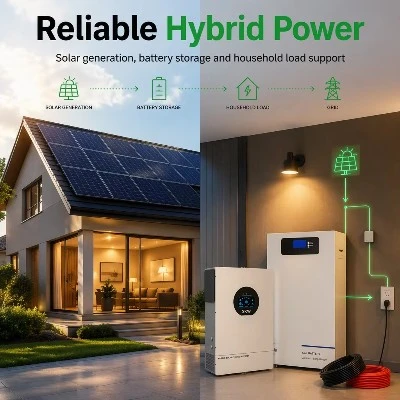
Our industrial-grade PV and storage equipment functions as a coordinated behind-the-meter asset. By pairing high-density solar fields with automated lithium iron phosphate (LiFePO4) storage banks, heavy machinery loops can draw power dynamically from battery reserves when plant loads spike, reducing peak demand utility bills and maintaining steady line operation during transient grid drops.
Verifiable Reduction in Monthly Peak Utility Demand (kW Base)
Direct Factory Procurement Eliminating Third-Party Trading Margins
Scalable Battery Rack Parallelization for Megawatt-Scale Projects
OEM/ODM Structural & Electrical Tailoring to Local Grid Standards
Grid-Tied Commercial Infrastructure
Mitigate daytime office HVAC consumption baselines via high-density commercial arrays engineered for rapid utility interconnection compliance.
Off-Grid Industrial Operations
Deploy standalone microgrids for processing plants using robust off-grid configurations built to withstand continuous inductive motor startup surges.
Cold Chain Hybrid Architecture
Insulate refrigeration compressors from utility voltage fluctuations by deploying an integrated PV-plus-storage loop designed for high surge-current resilience.
Logistics & Warehousing Hubs
Lower facility Levelized Cost of Energy (LCOE) and satisfy corporate emissions baselines using industrial-grade solar roofing arrays optimized for long-term outdoor exposure.
System Engineering Parameters: Coordinated Generation and Active Energy Storage Integration
Component synchronization dictates long-term system efficiency. Our production lines unify cell-level thermal protection algorithms and multi-MPPT inverter control loops to optimize daily energy harvesting performance.
Automated Peak-Shaving Architecture
Industrial facilities face severe financial penalties during peak demand windows. The integrated storage controllers dispatch battery power when local utility tariffs peak, isolating heavy equipment loads from high-rate utility billing blocks.
N-Type TOPCon Technology Integration
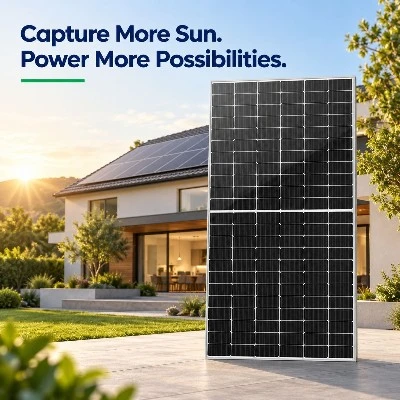
Utilizing high-efficiency N-Type TOPCon solar cells, our commercial PV modules maintain favorable temperature coefficients and robust generation curves under low-light diffuse radiation or high ambient thermal environments.


Sub-10ms Static Transfer Switching (STS)
Instantaneous voltage sags or localized blackouts disrupt automated manufacturing lines. The industrial storage units implement high-speed static transfer switches to transition critical machinery loops to battery power in less than 10 milliseconds.
Direct Factory Engineering & Single-Line Layout Support
Streamline project implementation by working directly with factory application engineers. We provide comprehensive single-line electrical layout support to ensure full compliance with regional three-phase utility regulations.

Vertical Integration Advantages: Precision System Assembly and Risk Mitigation
16BB Multi-Busbar Cell Architecture: To maximize long-term asset lifespan, our solar modules employ 16BB ribbon configurations. This design reduces internal resistance losses, shortens electron transport paths, and mitigates micro-crack degradation over decades of field service.
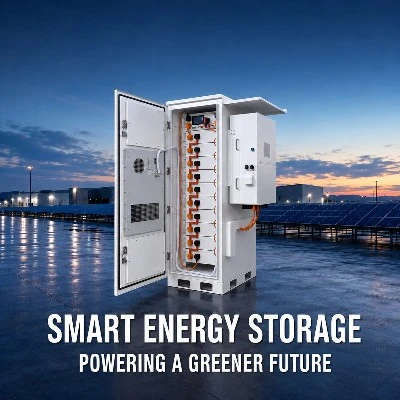
Active Liquid-Cooling Thermal Management: Industrial safety is integrated directly into our battery enclosures. The megawatt-scale LFP storage blocks utilize closed-loop liquid cooling to maintain uniform cell-to-cell temperatures, effectively mitigating localized thermal runaway risks.
Centralized Cloud Telemetry and Monitoring: Manage multi-site corporate energy portfolios through a unified digital interface. The monitoring platform aggregates real-time PV generation data, battery State of Charge (SoC), and facility load tracking into a secure, encrypted telemetry stream.
Industrial & Commercial System Adaptation Layouts
Engineered to deliver reliable power generation and predictable demand mitigation across high-load commercial and industrial sectors.
Industrial Logistics Warehouses
Cold Chain Storage Facilities
Heavy Manufacturing Plants
Commercial Shopping Centers
Multi-Story Corporate Offices
High-Density Data Centers
Large Agricultural Operations
Remote Mining Processing Hubs
Automotive Assembly Workshops
Island Decentralized Microgrids
Commercial EV Charging Canopies
Hospitality & Eco-Resort Complexes
Quality Assurance Validation Protocols and Grid Interconnection Compliance
Securing commercial capital investments through strict physical testing, factory witness verification, and strict quality control standards.
Thermal Performance Mapping
Evaluating electrical conversion stability and module power output across simulated high-temperature environmental cycles.
Dual Electroluminescence (EL) Inspection
Applying high-resolution robotic EL scanning pre- and post-lamination to eliminate micro-cracks, internal wafer defects, or cell mismatching.
Integrated Factory Acceptance Testing (FAT)
Calibrating communication protocols between smart 3-phase hybrid inverters and high-density LiFePO4 battery management sub-systems prior to container packing.
International Grid Compliance
Manufacturing under strict ISO frameworks, providing fully documented CE, TUV, UL 1741, and IEC certifications to streamline local utility interconnection approvals.
As an integrated renewable energy equipment manufacturer, SIY SOLAR controls the production process from raw wafer sourcing through advanced inverter firmware flashing. This manufacturing depth gives B2B engineering firms, procurement specialists, and large-scale distributors direct factory pricing, bypassing third-party trading markups.
This centralized manufacturing structure ensures predictable delivery timelines and minimizes international logistics delays. Whether executing competitive commercial project bids or sourcing inventory for wholesale distribution networks, our factory-direct model provides robust green infrastructure hardware.

Logistics Execution and B2B Wholesale Distribution Management
Comprehensive Freight Logistics: We minimize cross-border transport complexities by coordinating international freight requirements directly to specified delivery points or ports under strict commercial terms.
OEM/ODM Structural Customization and Private Label Branding
Expand regional market share with tailored enclosure labels, customized private-label packaging, and country-specific hardware configurations.
Consolidated Multi-Component Container Packing
Reduce onsite construction delays and logistical overhead. Our freight division pre-consolidates solar panels, storage inverters, and LFP battery racks into single-shipment containers for unified site delivery.
Regulatory Baseline and Subsidy Alignment
Our electrical engineering architecture meets high global efficiency standards and harmonic limits, enabling projects to qualify for regional commercial tax credits, utility grants, and clean energy incentives.
Mitigating Peak Demand Surcharges
Industrial manufacturing operations face high utility demand charges when heavy inductive loads activate concurrently. Our automated battery storage systems continuously monitor facility power draws, instantly injecting stored energy to clip consumption below expensive tariff thresholds.


High-Precision Multi-Channel MPPT Tracking
Cloud cover, spatial obstructions, and structural shading frequently degrade standard commercial array output. Our integrated inverters employ fast multi-channel MPPT microprocessors to constantly track string voltage, boosting real-world daily energy harvesting by 4% to 6%.
Thermal Isolation for LFP Storage Banks
High ambient operating temperatures accelerate lithium cell capacity degradation. Our industrial-grade storage enclosures incorporate advanced thermal barriers and optimized airflow designs, maintaining balanced core temperatures to maximize battery calendar life.

Industrial SCADA Monitoring & Remote Cloud Diagnostics
Real-Time Load Analysis
Monitor live facility energy demand and real-time solar generation assets through an integrated telemetry display.
Automated PV String Monitoring
Automated remote diagnostic routines constantly analyze grid parameters and string current-voltage curves to locate array anomalies before they affect performance.
Dynamic Energy Arbitrage Control
Configure behind-the-meter storage systems to discharge power directly into plant circuits during highest-rate utility pricing windows.
Long-Term Capital Protection and Asset Security
Securing energy infrastructure investments through robust product testing and long-term performance stability.
Long-Term Yield Security
Direct Factory Support
Unified SCADA Integration

Technical Reference & Project ROI FAQ
Why is a single-source factory-matched solar and storage system superior to sourcing separate components?
Sourcing an integrated system from a single manufacturing facility prevents communication conflicts between smart hybrid inverters and the lithium battery management system (BMS). This unifies the Modbus registers, maximizes round-trip efficiency, and minimizes field installation delays.
How do industrial-grade backup storage systems protect factory uptime during utility grid failures?
Our systems continuously track three-phase voltage inputs. Upon detecting a localized grid drop or power failure, integrated static transfer switching (STS) shifts critical machinery distribution loops to the battery bank in under 10 milliseconds, preventing PLC resets or data corruption.
Can the factory engineering division customize inverter hardware for specific regional utility rules?
Yes. Our factory technical division designs tailored multi-channel inverter layouts, matching step-up/step-down transformers, and specific protection circuits to comply fully with distinct single-phase or three-phase industrial grid codes globally.
What primary financial mechanisms shorten the payback timeline of an industrial installation?
The system shortens the project payback period through two primary factors: direct-from-factory procurement (which eliminates third-party trading distributor margins) and automated peak-shaving control (which eliminates expensive daytime demand charges).
DEMAND CHARGE MITIGATION
CLIPPING EXPENSIVE DAYTIME TARIFF SPIKES VIA DYNAMIC BEHIND-THE-METER DISCHARGING
DIRECT FACTORY PROCUREMENT
ELIMINATING THIRD-PARTY BROKER MARKUPS BY SOURCING FROM THE PRODUCTION FLOOR
SUB-10MS POWER TRANSITION
PROTECTING AUTOMATED PLC LINES AND MACHINERY LOOPS FROM GRID VOLTAGE SAGS
INTEGRATED SYSTEM TOPOLOGY
PRE-ENGINEERED, FACTORY-TESTED PV AND STORAGE COMPONENTS SHIPPED IN BULK
INTERNATIONAL GRID COMPLIANCE
FULLY CERTIFIED CE, TUV, AND UL 1741 COMPLIANT HARDWARE CONFIGURATIONS
CONSOLIDATED LOGISTICS
PRE-PACKED COMPONENT CONTAINERS OPTIMIZED TO PREVENT ONSITE ASSEMBLY DELAYS
Request Direct Factory Consultation and System Engineering Layout
Hot Tags: solar energy systems, China solar energy systems factory, solar energy from the sun, panel power, solar power panels, solar unit, commercial solar energy system with remote monitoring, get solar panels