






工商储运行策略 / C&I Energy Storage
How an EMS Controls a C&I Battery: Charging, Discharging and Peak Shaving
Once a commercial battery is installed, its value depends on when it charges and when it discharges. That schedule is managed by the energy management system (EMS), using inputs such as facility demand, solar output, electricity tariff and battery limits. A system can have the right kW and kWh on paper yet miss its purpose if the controls are configured around the wrong operating priority.

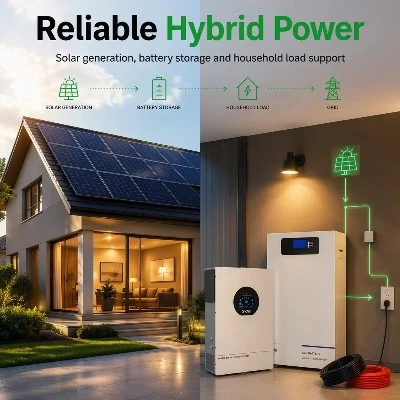
The EMS coordinates storage with generation, grid supply and the facility's electrical loads.
The EMS needs a clear job to do
Before commissioning, the owner should decide what success means. Is the battery meant to reduce the monthly demand peak, use more on-site solar, shift energy between tariff periods, or keep selected loads available during an outage? Some projects combine objectives, but those goals can compete for the same stored energy.
For example, energy kept in reserve for backup cannot always be used for afternoon peak shaving. The EMS needs an explicit priority or reserve setting so the operator understands which service takes precedence when the battery is partly charged.
Peak shaving depends on the meter and the load shape
For demand-charge management, the EMS watches the facility's net load and discharges when it approaches a configured threshold. That threshold only helps if it matches the utility's demand measurement interval and billing rules. A short spike outside the relevant window may not affect the bill; a peak that lasts longer than the battery's available energy may exceed the target even if the battery starts at full charge.
That is why a dispatch plan should be tested against interval meter data, not just monthly kWh totals. The U.S. Department of Energy's PV-plus-storage guidance notes that dispatch strategies are specific to a site's load profile and tariff, and should not be copied from another facility without analysis.
Solar charging and time-of-use shifting
When PV is available, an EMS may charge the battery from excess solar rather than export it, subject to the system configuration and export rules. Under a time-of-use tariff, it may also charge during lower-price periods and discharge during higher-price periods. The controls must respect battery charge limits, state-of-charge windows and any grid-import or export restrictions.
Ask the integrator to show a representative operating day. The chart should include facility load, PV output, battery charge and discharge, state of charge, and grid import or export. This makes it easier to spot issues such as the battery filling before the solar peak or running low before the expensive tariff period begins.
What if conditions change?
Production schedules, tariffs and site loads change. A battery strategy that worked at commissioning may need review after new equipment is installed or utility rates are revised. The EMS should make operating mode, reserve settings, alarms and dispatch history visible to the people responsible for the facility.
It is also worth agreeing who can change setpoints. A demand target adjusted without understanding the tariff can undermine savings; a reserve changed without telling operations may affect outage readiness. Changes should be recorded with the reason and effective date.
The best EMS is not the one with the longest feature list. It is the one configured for the site's actual tariff and load, with operating priorities the owner understands and can maintain.
Background: U.S. DOE / Better Buildings guidance on PV-plus-storage dispatch. SIY Solar describes C&I EMS scheduling around tariffs, loads and operating limits in its commercial energy storage portfolio.