





Commercial & Industrial Energy Storage
How to Read a C&I Battery Storage Quote: kW, kWh and Duration
Two commercial battery quotes can list a similar capacity and still serve different jobs. One may deliver more power for a shorter period; another may run a smaller load for longer. The quickest way to understand the difference is to separate the system's power rating from the energy it can deliver, then check the operating limits behind both numbers.

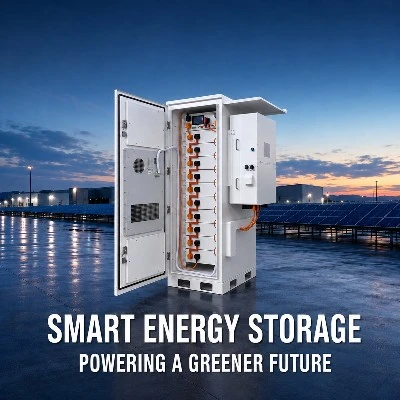
Energy-storage system illustration. Specifications and operating modes vary by the quoted model.
Start with the load the battery is meant to serve
Before comparing cabinet sizes, define the job. Is the battery intended to shave a short demand peak, shift solar energy into the evening, support selected loads during an outage, or do more than one of these? Each use case creates a different discharge pattern.
For peak management, the site may need high discharge power for a relatively brief interval. For energy shifting, the facility may need a steadier output over several hours. Backup power adds another constraint: which circuits are critical, and what reserve must remain available when normal dispatch is complete?
Rated power: how much can it deliver at once?
Rated power is shown in kilowatts (kW). Compare it with the load or peak reduction target, not just with the facility's total connected load. Also check whether the rating is AC or DC, continuous or short-duration, and whether it applies at the expected temperature and state of charge.
The inverter or power conversion system can limit output even when the battery cells have energy remaining. Confirm the PCS rating, overload behavior, grid voltage and phase, and whether multiple cabinets can operate in parallel under the proposed control system.
Energy capacity: how much can it supply?
Energy capacity is measured in kilowatt-hours (kWh). A quotation may state nominal capacity, usable capacity or both. For planning, usable energy is the more relevant figure because reserve limits and operating windows can make some nominal capacity unavailable during normal dispatch.
Consider a hypothetical 100 kW / 200 kWh system. Simple division suggests two hours at full rated power. That is a nameplate ratio, not a guaranteed two-hour AC delivery: usable capacity, conversion efficiency, auxiliary loads and control settings change the energy delivered to the facility. Ask the supplier to state the expected AC energy and the assumptions used.
Duration is a ratio, not the whole design
Storage duration is often estimated as energy divided by power. NREL uses the energy-to-power ratio as a measure of duration in its commercial battery-storage analysis. It is useful for comparing configurations, but the same duration does not imply the same application value. The tariff, load shape, dispatch plan and cycling frequency determine whether a system's duration fits the job.
Read the limits and assumptions on the quote
When comparing proposals, check these details in the technical schedule:
- Nominal and usable capacity, and the permitted state-of-charge window.
- AC and DC power ratings, continuous discharge rating and charge limit.
- Round-trip efficiency at the stated operating conditions.
- Cooling method, ambient temperature range, enclosure rating and installation clearances.
- Battery chemistry, cycle-life test conditions and end-of-life capacity definition.
- EMS functions, communication interfaces, warranty scope and maintenance requirements.
Cycle-life numbers deserve particular care. A figure such as "8,000 cycles" only has meaning alongside its test temperature, charge/discharge rate, depth of discharge and retained-capacity threshold. Do not compare cycle counts without the conditions that produced them.
Make the proposal match the site
Give suppliers interval load data, the electricity tariff, PV output profile, grid connection details and the intended operating schedule. Ask them to show how the battery will charge and discharge on a representative day, what reserve is held for backup, and how many cycles the financial estimate assumes.
SIY Solar's published C&I portfolio lists several power and energy combinations, including air-cooled and liquid-cooled options. Treat these as reference configurations: final model availability, AC interface, usable energy, environmental limits and controls should be confirmed in the project quotation and model datasheet.
The useful comparison is not "which cabinet has the most kWh?" It is which quoted system can perform the required power profile, deliver enough usable energy, and operate within the site's electrical and environmental constraints.
References: NREL Annual Technology Baseline: Commercial Battery Storage; SIY Solar C&I storage portfolio.