





How to Choose a Solar Energy Storage System for Your Home or Business
A practical guide to matching battery storage, solar generation and power conversion to the way a site actually uses electricity.
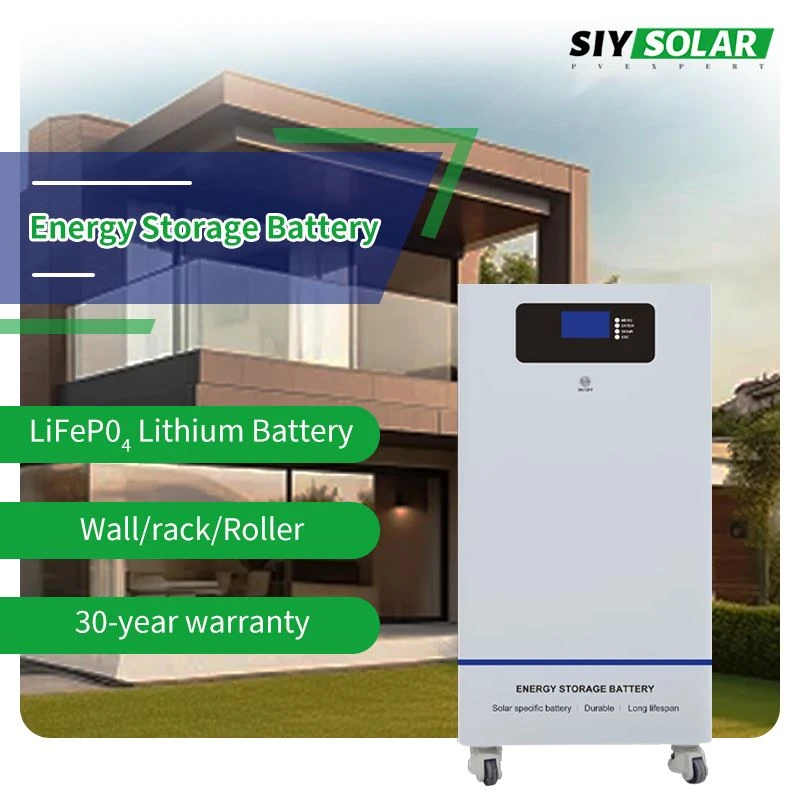
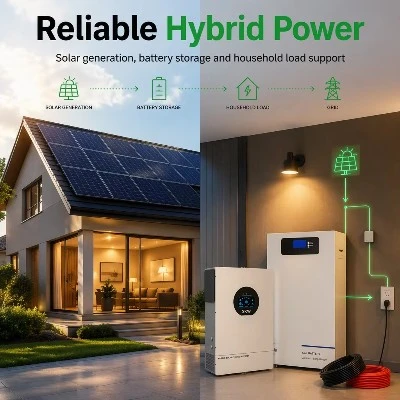
Residential energy storage equipment shown on SIY Solar's product page. Confirm the exact model and configuration against its current datasheet.
Quick answer
Choose a solar energy storage system by starting with the loads and operating goal, then match battery energy capacity (kWh), continuous and surge power (kW), inverter or PCS, solar array, grid interface and controls. For a home, the priorities are usually evening self-consumption and selected-load backup. For a business, assess interval demand, tariff periods, critical processes and the required backup strategy. The final design must be checked against site conditions, local electrical rules and model-specific product documents.
- What a storage system includes
- Six selection steps
- Home vs. business
- Battery chemistry and compatibility
- SIY Solar product paths
- FAQ
What does a solar energy storage system include?
A complete system is a coordinated set of equipment. Solar modules generate DC electricity; an inverter or power conversion system (PCS) manages conversion between DC and AC; a battery stores energy; and a battery management system (BMS) monitors and protects the cells within their operating limits. Depending on the project, the design may also include an energy management system (EMS), meters, protection devices, isolation and transfer equipment, mounting, cabling and monitoring.
A battery does not automatically provide backup during an outage. Backup requires compatible power conversion, suitable isolation and switching, a defined set of loads, and enough available battery energy and output power.
Six steps to choose the right system
- Define the job. Decide whether the goal is higher solar self-consumption, time-of-use shifting, demand management, outage backup, off-grid supply, or a combination.
- Measure the load. Use electricity bills and, for commercial sites, interval data. List critical equipment, simultaneous demand, motor or compressor starting loads, and the hours each load must run.
- Size energy capacity. Estimate the energy required over the target period in kWh. Then account for the usable fraction of the battery, conversion losses, reserve state of charge, aging allowance and temperature. Nameplate capacity is not the same as usable energy.
- Size power separately. Check continuous kW output and short-duration surge requirements against the actual loads. A large kWh battery may still be unable to start or run a high-power device if the inverter/PCS output is too low.
- Match the solar and electrical architecture. Confirm PV input limits, battery voltage and communications, AC voltage and phase, grid connection, grounding, protection and transfer requirements. Review local interconnection rules and approvals.
- Compare lifecycle and service details. Review the exact model's datasheet, warranty, operating temperature, cycle-life conditions, monitoring, installation requirements, service support and expansion limits. Compare the complete installed system, not battery price alone.
| Question | Why it matters | What to collect |
|---|---|---|
| How much energy must be shifted or backed up? | Sets the storage energy target. | kWh by hour, desired duration, reserve level |
| What is the highest load at once? | Sets inverter/PCS power and surge capability. | Running kW, starting current, load sequence |
| What sources and loads must connect? | Determines the system topology and compatibility. | PV, grid, generator, battery voltage, phase, circuits |
| What should happen during an outage? | Backup is a designed operating mode, not an assumption. | Critical-load list, transfer time needs, outage duration |
Home and business systems have different priorities
For a home
Start with evening and overnight use, essential circuits, roof or ground area, local grid conditions and the expected backup duration. A hybrid residential system may combine PV modules, a compatible hybrid inverter, LiFePO4 battery options and monitoring. Whole-home backup can require substantially more power and storage than backing up selected circuits.
For a business
Review interval load data, operating schedules, demand peaks, tariff structure, available PV area and the cost of interruption. Storage can be configured for solar self-consumption, time-of-use shifting, peak demand support or designated critical-load backup. These objectives can compete for the same stored energy, so the EMS strategy and reserve policy matter.

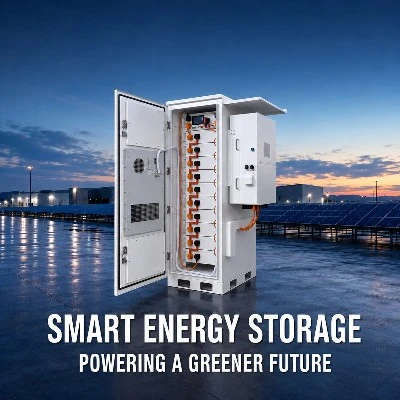
Commercial and industrial solar-plus-storage example from SIY Solar. Site load, grid conditions and operating objectives determine the final design.
Battery chemistry, BMS and compatibility
SIY Solar lists LiFePO4 battery options across its residential and commercial storage pages. LiFePO4 is a lithium-ion chemistry often selected for stationary storage, but chemistry alone does not establish the safety, life or performance of a complete system. Review the battery model's voltage range, charge and discharge limits, temperature limits, BMS functions, certifications and warranty, together with the compatible inverter or PCS documentation.
Cycle-life claims are meaningful only with their test conditions, including depth of discharge, temperature, charge/discharge rate and end-of-life capacity threshold. Likewise, efficiency varies by model and by whether the figure refers to a component or the complete system. Use the selected model's current datasheet rather than applying a portfolio-wide number.
View SIY Solar residential energy storage options · View SIY Solar energy storage battery information
SIY Solar product paths to consider
SIY Solar's current product navigation includes residential and commercial solar systems, solar panels, inverters, energy storage batteries, all-in-one energy storage systems, DC solar systems and portable solar generators. Treat these as solution families: the correct combination depends on application and verified model-level specifications.
- Residential solar + storage: PV modules, compatible hybrid inverter, battery, protection and optional monitoring or backup equipment.
- Commercial and industrial solar + storage: site-sized PV, hybrid inverter or PCS, LiFePO4 battery and BMS, EMS, metering and project-specific protection and switching.
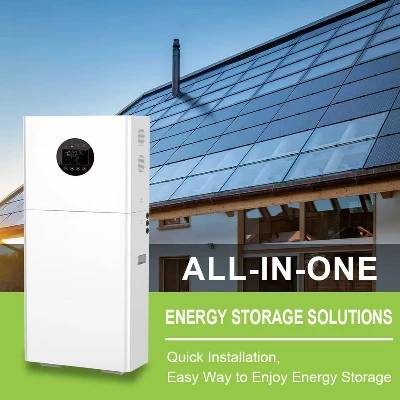
- All-in-one ESS: an integrated product path where inverter and battery elements are packaged together; confirm rated power, usable energy, voltage, phase, expansion and backup behavior for the exact model.
Start with SIY Solar's solution overview or commercial solar system page, then confirm product specifications with the current datasheet and quotation.
Worked sizing example: backup for essential home loads
Suppose a household wants to supply an average essential load of 1.2 kW for 6 hours. The energy delivered to those loads is 1.2 × 6 = 7.2 kWh. The battery's nominal capacity must be higher than 7.2 kWh because usable state-of-charge range and conversion losses reduce delivered energy. The inverter must also support the highest simultaneous load and any appliance starting surge. This is an illustration, not a fixed product recommendation; actual sizing needs the chosen battery and inverter limits plus site data.
What to send when requesting a system proposal
- Project country, site type and grid voltage, frequency and phase
- Recent electricity bills or interval load profile
- Existing or planned PV size, roof or ground area and shading details
- Critical loads, peak demand and required backup duration
- Preferred operating goal: savings, backup, off-grid use, peak management or a combination
- Any expansion plans, installation constraints and applicable local requirements
These details help the project team propose a system architecture and identify which model-specific documents need review.
Frequently asked questions
How do I size a solar battery storage system?
Estimate the energy required over the intended storage period, then adjust for usable capacity, conversion losses, reserve state of charge and operating conditions. Separately check inverter or PCS power against simultaneous and starting loads.
What is the difference between battery power and capacity?
Power in kW describes how much load can run at once. Capacity in kWh describes stored energy and helps estimate how long loads can run.
Does every solar system need a battery?
No. A grid-tied system can operate without storage. A battery is useful when energy shifting, selected-load backup or off-grid operation is required.
Can a solar battery run a business during a grid outage?
It can support designated loads when the inverter or PCS, switching and isolation equipment, battery reserve and protection are designed for backup. Power and duration depend on the final configuration.
What information is needed for a solar storage quote?
Share the location, electricity bills or interval load data, grid parameters, existing or planned PV, critical loads, backup duration, installation area and operating goals.
Plan a system around your loads
Share your site details and operating priorities to discuss a residential or commercial solar-plus-storage configuration.
Contact SIY Solar · Home solar solutions · Commercial solar solutions
Product availability, ratings, certifications, compatibility and warranty vary by model and market. Confirm current technical documents and local code requirements before procurement or installation. Canonical URL above is a suggested path; replace it with the final published URL.