





Hybrid vs Grid-Tied vs Off-Grid Solar Inverters: Which One Fits Your Project?
Understand the difference between three common solar inverter architectures before you specify a system for a home, business or remote site.

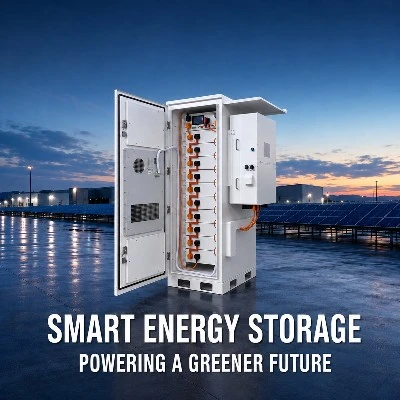
SIY Solar inverter product image supplied for this article. Exact operating modes, communications and ratings depend on the selected model.
Grid-tied, hybrid and off-grid solar inverter system diagramsThree simple diagrams show solar panels connecting to the grid through an inverter, a hybrid inverter connecting solar panels, battery, grid and loads, and an off-grid inverter connecting solar panels and batteries to loads. Grid-tied PV array Inverter Grid Usually no batteryNo backup by default Hybrid PV Hybrid inverter Grid Battery Loads Backup only when designed for it Off-grid PV array Off-grid inverter Battery Loads Battery autonomy is essentialConceptual layouts only. Actual power paths, backup circuits, switching, protection and grid behavior depend on the selected model and approved system design.
Quick answer
A grid-tied solar inverter is generally used where the utility grid is available and the main goal is to use solar power or export permitted surplus. A hybrid solar inverter coordinates solar, a compatible battery and grid power, and may support selected backup loads when the complete system is designed and approved for backup. An off-grid solar inverter serves a site without a utility connection and is usually paired with battery storage, with capacity planned around load, sunlight and autonomy needs.
Important: a standard grid-tied inverter usually shuts down during a grid outage. Having solar panels does not automatically keep a building powered when utility service fails.
- How the three inverter types work
- Comparison table
- Which architecture fits your project?
- Inverter specifications to check
- FAQ
How the three solar inverter types work
Grid-tied solar inverter
A grid-tied, or on-grid, inverter converts DC power from photovoltaic modules into AC power synchronized with the utility supply. Solar power can serve on-site loads, while surplus may be exported if the local utility, meter and regulations allow it. A basic grid-tied system can operate without a battery, which may keep the equipment scope simpler when backup is not required.
Most conventional grid-following inverters stop supplying power when the grid fails because they are designed to disconnect under outage conditions. This anti-islanding behavior protects utility workers and equipment. If backup is needed, specify a compatible system with an approved method to isolate from the grid and form a local supply.
Hybrid solar inverter
A hybrid inverter manages PV, battery and grid connections within one coordinated architecture. Depending on the model and settings, it may direct solar power to active loads, charge a compatible battery, import power from the grid or supply defined loads from stored energy. Some designs can include a backup or emergency power output; the feature, supported loads, transfer behavior and required external equipment vary by model.
Hybrid does not automatically mean whole-building backup. Confirm whether backup is available during an outage, which output is backed up, whether a transfer/isolation device is required, how much load can run, and what battery reserve is needed.

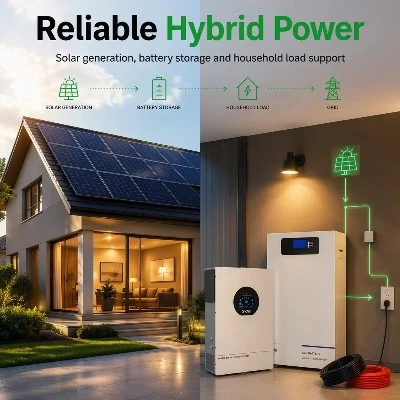
System diagram from the supplied SIY Solar product materials. Use the selected inverter's current manual and wiring diagram to confirm compatible connections.
Off-grid solar inverter
An off-grid inverter supplies AC power in a system that operates independently of the utility grid. It typically works with PV modules and a battery bank so energy collected during daylight can support loads later or when solar output is low. Some systems can coordinate a generator as an additional charging source, subject to the inverter's supported inputs and controls.
Because the utility cannot provide backup energy, off-grid system design must account for daily energy consumption, peak and starting loads, seasonal solar resource, battery autonomy, charging limits and load management. The inverter's kW rating alone does not tell you how long the system can power appliances.

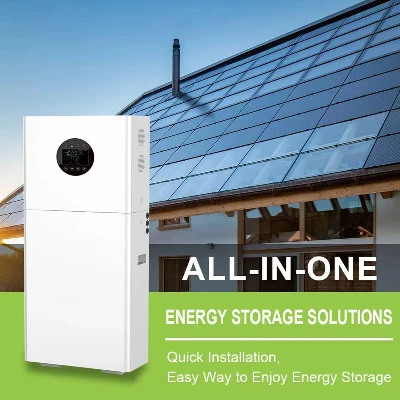
SIY Solar off-grid inverter product graphic supplied by the user. The ratings shown in the artwork are model-specific; verify the exact variant against its current datasheet.
Hybrid vs grid-tied vs off-grid: comparison
| Feature | Grid-tied | Hybrid | Off-grid |
|---|---|---|---|
| Utility grid | Normally connected | Connected where supported | Not required for normal operation |
| Battery required for basic operation? | No | Not always, depends on model and intended features | Usually yes for practical energy availability beyond sunny hours |
| Can supply loads during grid outage? | Usually not without separate backup equipment | May, if the system includes approved backup capability and sufficient reserve | Designed for independent operation; supply is limited by system resources |
| Common project objective | Use on-site solar; export where allowed | Coordinate solar, storage and grid; selected backup may be included | Supply sites without dependable utility service |
| Main sizing focus | PV input, AC output, grid rules | PV, battery, grid interface, backup output and control strategy | Loads, peak/surge, PV harvest, battery autonomy and generator option |
| Key question | What happens when the utility is unavailable? | Which circuits are backed up and under what limits? | How many days or hours of autonomy are required? |
Which solar inverter architecture fits your project?
Choose grid-tied as a starting point when…
- the site has a reliable utility connection
- the priority is daytime solar use or permitted export
- battery backup is not currently required
- the utility approves the inverter and interconnection plan
Consider hybrid when…
- you want solar and battery storage in one coordinated system
- you want to shift solar energy to later use
- selected-load backup is a project requirement
- the battery and inverter are confirmed compatible
Consider off-grid when…
- utility power is unavailable, unreliable or impractical
- you can provide enough PV and storage for the operating plan
- you can manage loads during low-sun periods
- generator charging may be needed for extended cloudy weather
These are starting points, not automatic recommendations. Local grid rules, load profile, tariff, site conditions, budget and product documentation determine the final architecture.
Solar inverter specifications to check before purchase
- Continuous AC power and surge rating: compare rated output with the total simultaneous load and starting requirements of motors, pumps or compressors.
- PV input limits: check maximum PV voltage/current, MPPT operating range, number of MPPTs and permitted array size for the exact model.
- Battery compatibility: confirm chemistry, battery voltage range, charge/discharge current, BMS communication protocol and approved battery list.
- Output voltage, phase and frequency: match the property or site service and target-market requirements.
- Backup behavior: confirm whether the inverter can form an islanded supply, which output is backed up, external transfer equipment, transition specification and supported operating modes.
- Grid interconnection: verify anti-islanding, export limits, protection and utility approval requirements for the destination market.
- Monitoring and controls: check included meters, communication interfaces, app or EMS features and whether third-party integration is supported.
- Environment and warranty: review operating temperature, enclosure rating, installation location, warranty exclusions and service arrangements.
Do not compare inverter models by nominal kW alone. Two units with the same output rating may differ in PV input, battery voltage, phase, surge capability, backup output, certifications and controls.
Information needed for a system recommendation
For a practical inverter and system proposal, prepare:
- project country, grid voltage, frequency and phase
- daily or monthly electricity use and a list of major appliances or equipment
- peak simultaneous load and motor starting demand
- planned PV array capacity, module model and available installation area
- whether you want a battery now, later or not at all
- which loads must operate during an outage and for how long
- for off-grid sites, seasonal sunlight, autonomy target and generator availability
- local utility or project standards, installation constraints and expected order quantity
SIY Solar inverter and system resources
SIY Solar lists on-grid, off-grid and hybrid inverter options, as well as complete solar-system configurations. Confirm the exact model, input/output limits, battery compatibility and market approvals in the current product datasheet and quotation.
Frequently asked questions
What is the difference between a hybrid and a grid-tied solar inverter?
A basic grid-tied inverter serves a solar system connected to the utility and typically does not require a battery. A hybrid inverter coordinates solar, a compatible battery and the grid. Backup during an outage requires a system specifically designed and approved for that function.
Will a grid-tied solar inverter work during a power outage?
A conventional grid-following inverter normally stops exporting power when the grid fails for anti-islanding safety. Backup requires suitable equipment and an approved isolation arrangement.
Does an off-grid solar inverter need batteries?
Most off-grid systems use batteries to make solar energy available after sunset and during low-sun periods. Battery and inverter capacity must match energy use, peak loads, autonomy goals and operating conditions.
Can I add a battery to an existing grid-tied solar system?
Sometimes. The existing inverter, PV array, meter, grid connection and local regulations need review to determine whether a compatible retrofit is possible.
How do I choose the right solar inverter?
Start with grid access and outage goals, then check continuous and surge output, PV input limits, battery compatibility, voltage and phase, local grid requirements, monitoring and warranty for the exact model.
Match the inverter to the project
Share your location, grid details, load profile, PV plan and backup requirements to discuss a suitable solar-system configuration.
Explore SIY Solar inverters · Browse home solar systems · Request a quote
Product functions, compatibility, approvals, backup behavior and warranty vary by model and market. Check the current datasheet, installation manual, utility requirements and project design before purchase. Replace the suggested canonical URL with the final published URL before release.