






Hospitality Energy Planning
Solar for Hotels: Match Rooftop Generation to Guest Demand
A hotel does not have a neat "business-hours" load. Guests expect cool rooms in the afternoon, kitchens and laundry run on their own schedules, and hot water is needed early and late. Solar can offset a meaningful share of that demand, but the useful system size is not simply the number of panels that fit on the roof.

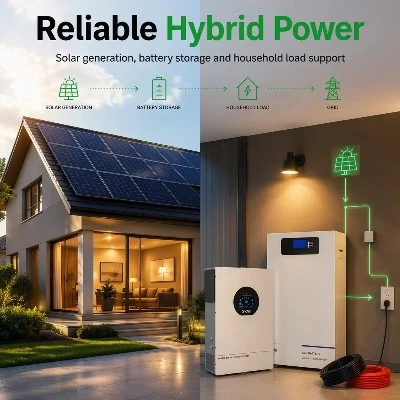
PV, storage and facility loads need to be considered as one operating system.
The U.S. Department of Energy describes hotels as around-the-clock facilities with continuing demand for power, heat and hot water. That operating pattern is why a hotel should compare its own hourly consumption with expected PV production before deciding whether to add storage.
Start with the parts of the hotel that shape the load
Pull interval meter data for a full year if possible. Put it beside occupancy, weather and operating calendars. A resort with heavy summer air-conditioning may have a strong daytime match with solar. A city hotel with steady overnight demand may use a smaller share of its PV output directly. The point is not to assume which pattern applies, but to look for it in the data.
It can also help to separate the big loads: chillers or room air-conditioning, kitchen equipment, laundry, pumps, lighting, lifts and domestic hot water. If the hotel has a pool, spa or conference center, note when those operate. These details reveal whether generation will serve current demand, be exported, or need shifting.
Roof capacity is only one limit
Hotels often have rooftop plant, water tanks, lift overruns, exhausts and fire access zones competing for space. Before using a roof-area estimate, check its condition and expected replacement schedule, structure, shading and service routes. Solar access should not make routine HVAC or waterproofing work harder.
Then confirm the electrical side: main switchboard capacity, transformer limits, interconnection process and any export cap. If the utility does not compensate surplus power well, a roof-filling array may not be the best economic choice.
When might a battery help?
A battery is worth studying if the hotel has evening peaks, time-of-use price differences, demand charges or essential loads that need backup. Those are separate use cases. A battery sized for bill shifting may not be large enough to keep guest rooms and kitchens running during an extended outage.
Ask the designer to show a dispatch example using the hotel's meter data: when the battery charges, when it discharges, what reserve remains for backup and which circuits are covered. If the proposal claims savings, it should explain the applicable tariff and the assumptions behind the calculation.
Make the solar project fit hotel operations
Construction access, crane placement, noise and planned outages need to be coordinated with guest occupancy. Schedule roof and electrical work around the hotel calendar, not just the installer's availability. For a property that cannot tolerate a long shutdown, clarify temporary power arrangements and the commissioning sequence before the contract is signed.
One practical question can keep the discussion grounded: on a typical sunny day, which hotel loads will use the PV output as it is generated? Once that is answered, the project team can make a more credible call on array size, export, and whether storage belongs in the first phase or a later one.
Background: U.S. Department of Energy Better Buildings: Hotels. For solar and storage project options, see SIY Solar commercial solar solutions.