





Commercial Energy Planning
Does Your Factory Need Battery Storage with Solar?
A factory manager looking at a solar proposal often gets a second question right after the panel size: should we add batteries now, or leave storage for a later phase? The honest answer is that solar and storage solve different problems. Panels produce energy when the sun is available; a battery shifts energy across time, limits some grid demand or supports selected loads during an outage. Whether that shift is worth paying for depends on the site's meter data and electricity tariff.
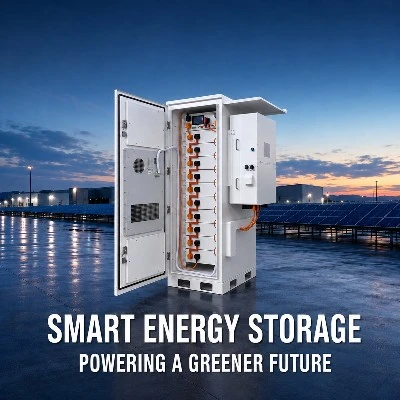
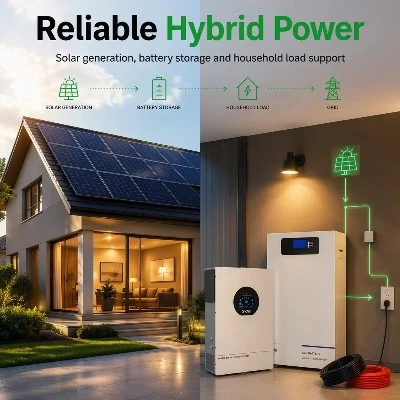
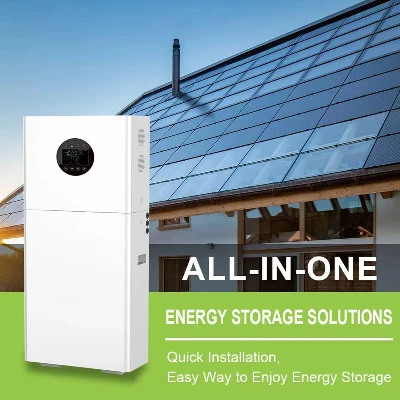
Commercial PV and storage configuration. The operating strategy should be based on the facility's actual load and tariff.
Start with the electric bill and interval data
Monthly bills show total consumption and charges, but they rarely reveal when the site reaches its highest demand. If the utility charges for peak demand, request interval data at the shortest available interval and collect the tariff schedule. Look at when peaks occur, how long they last and whether they happen during solar production hours.
For example, a plant that runs equipment steadily through the day may use much of its solar output as it is generated. A facility with a short late-afternoon peak might have a different case for storage. These are not assumptions to plug into a generic calculator; the meter record should confirm the pattern.
What would the battery actually do?
Ask the project designer to describe the dispatch plan in plain language. Will the battery charge from surplus PV, from the grid during lower-price periods, or both? At what times will it discharge? Is the target lower demand charges, greater solar self-consumption, time-of-use shifting, backup power-or a combination?
Each objective affects battery power (kW), energy capacity (kWh), reserve settings and controls. Backup needs can compete with bill savings: energy held in reserve for an outage is not always available for daily shifting. The proposal should show how the system prioritizes those uses.
Check the tariff before estimating savings
Storage economics depend on local rules. Demand-charge measurement windows, time-of-use prices, export compensation, demand ratchets and seasonal rates can all change the result. A battery that reduces a brief peak may not lower the bill if the utility measures demand differently than the control strategy assumes.
Ask for a model using your tariff and load data, and request the assumptions behind the savings estimate. Include battery efficiency, operating limits, degradation, maintenance, replacement assumptions and any limits on grid charging or export. Compare the solar-only case with solar-plus-storage so the incremental value of the battery is visible.
Do not size storage from the PV capacity alone
A common shortcut is to pair a battery with a certain number of hours of solar output. That may not match the load or tariff. The battery's discharge power must be high enough to affect the target peak, while its energy capacity must cover the duration of that peak. Oversizing either one can add cost without improving the desired outcome.
When storage may be worth studying
Battery storage deserves closer analysis when the site has costly demand peaks, a strong price difference between charging and discharging periods, frequent solar export at low value, or critical loads that need resilience. It may be a weaker fit when electricity prices are flat, the load already tracks solar production, export is well compensated, or the battery would cycle infrequently.
Those are screening signals, not a final verdict. Tariffs and operating schedules vary, so a site-specific model is needed before making a purchase decision.
Before approving the proposal
Make sure the proposal identifies the battery and inverter models, usable capacity, power rating, operating modes, reserve level, warranty assumptions and control strategy. Ask what happens if the communication system is offline, how the battery behaves during an outage, and whether the equipment can be expanded later. For a C&I project, also clarify installation space, ventilation or cooling needs, fire-safety requirements and access for maintenance under local rules.
A useful proposal should let the operations and finance teams answer one question together: what measurable job is the battery being bought to do, and do the expected benefits justify its full lifecycle cost?
Sources: NREL analysis of solar-plus-storage sizing; NREL/LBNL study on demand-charge management. SIY Solar's C&I storage system page describes project configurations.