





Solar buying guide · System types ranked by application fit
Top 10 Solar Power Systems: A Practical Ranking by Use Case
There is no single solar system that ranks first for every buyer. A grid-connected home, a remote telecom station and a commercial facility with daytime demand have different priorities. This guide ranks ten common solar power system types by how well they fit their intended applications, considering grid access, storage needs, load profile and installation complexity.

System architecture should match the site's loads, grid access and storage requirements.
Quick answer: For many grid-connected homes, a hybrid solar system is a strong all-round option because it can combine PV generation, battery storage and grid power. For sites without practical grid access, an off-grid solar system is usually the relevant category. Commercial, agricultural, EV-charging and portable applications each benefit from a design matched to their load and operating schedule.
How to read this ranking: The order reflects application fit and versatility within each use case. It is not a sales-volume list, a comparison of named manufacturers, or a claim that one system delivers the highest output everywhere. Actual results depend on equipment selection, site conditions, installation quality and local rules.
Top 10 solar system types
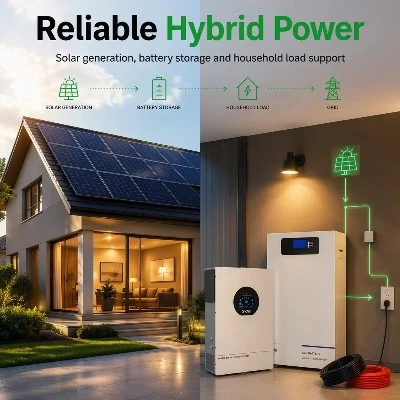
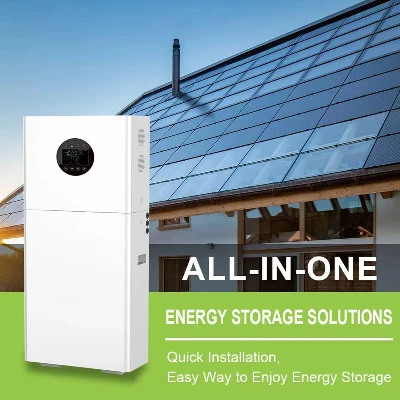
Hybrid solar system with battery storage
Best all-round option for grid-connected sitesHomes and small businessesA hybrid system coordinates solar panels, battery storage and the utility grid. It can help use more solar energy on site and may provide backup power when the inverter and electrical design support that function. Buyers should verify backed-up circuits, continuous and surge output, battery compatibility, export controls and utility requirements. A hybrid label alone does not guarantee whole-building backup.
Consider it when: the grid is available, storage is desired, and the project needs a balance between solar self-consumption and grid support.
Off-grid solar power system
Best where utility power is unavailableRemote property and infrastructureAn off-grid system operates independently of the utility. PV modules charge batteries, and an inverter or DC distribution supplies the loads. Since the grid cannot cover an energy shortfall, the design must account for daily consumption, peak power, seasonal sunlight and the required autonomy. A backup generator can be included where operating continuity warrants it.
Consider it when: extending the grid is impractical or the site needs independent power. Request the sizing assumptions for the least sunny season, not only average annual production.

Off-grid projects depend on careful matching of inverter capacity, battery reserve and expected loads.
Grid-tied solar system
Best for reducing daytime grid consumptionHomes and commercial rooftopsA grid-tied system generates solar electricity for on-site use and may export surplus where local rules allow. It usually has a simpler storage configuration than a hybrid system, but a standard grid-tied inverter typically shuts down during a grid outage for safety. If backup is important, ask whether batteries and backup equipment can be added.
Consider it when: the utility connection is dependable, daytime consumption is meaningful, and battery backup is not a priority.
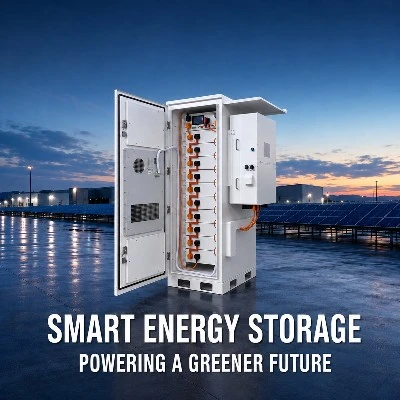
Commercial and industrial solar-plus-storage system
Best for facilities with substantial energy useFactories, warehouses and campusesCommercial and industrial systems can combine rooftop or ground-mounted PV with battery storage, inverters and an energy management system. The value case may involve self-consumption, demand management, backup for selected processes or other site-specific goals. A proper assessment uses interval load data, tariff structure, operating schedules and interconnection limits.
Consider it when: the facility has significant daytime loads, defined peak-demand costs or resilience requirements. Model each objective separately rather than assuming one battery configuration solves them all.
Solar water-pumping system
Best for irrigation and remote water supplyFarms and rural sitesSolar pumping systems use PV power to run a water pump, sometimes with a controller that adjusts pump operation to available sunlight. Water storage can serve as a practical buffer, reducing the need to store all generated energy in batteries. Pump head, flow rate, daily water demand and seasonal irrigation needs drive system sizing.
Consider it when: water demand can be scheduled around solar availability or stored in a tank. Confirm the pump's starting characteristics and required flow at the actual lift height.
Solar carport with EV charging
Best for parking areas and fleet sitesCommercial propertiesA solar carport combines vehicle shade with PV generation and can supply EV chargers. The site design must coordinate structure, parking layout, charger power, grid capacity and vehicle dwell time. Battery storage may help manage charging demand, but it adds cost and should be justified with load and tariff analysis.
Consider it when: vehicles are parked during productive solar hours or the site has a clear electrification plan.

Monitoring and control functions differ by inverter and energy-management platform; confirm the data and remote actions available.
Solar telecom and remote monitoring power system
Best for low-load, unattended sitesTelecom, cameras and sensorsRemote communications and monitoring equipment may operate around the clock at sites far from utility power. These systems typically combine PV, a battery bank, charge control and a DC or AC supply suited to the equipment. Designing for continuous loads requires attention to low-sun periods, battery temperature, enclosure protection and remote alarms.
Consider it when: a modest but critical load needs reliable power at a dispersed site. Obtain measured load consumption and communications equipment start-up demand before specifying capacity.
Solar-plus-storage backup system for essential loads
Best when outage resilience is the main goalHomes and small facilitiesThis configuration prioritizes selected circuits such as lighting, refrigeration, communications or essential controls. It can be built around hybrid equipment or dedicated backup components. By focusing on critical loads rather than the entire building, the system may keep storage requirements more manageable.
Consider it when: outages occur and the buyer can identify which devices must remain available. Confirm how circuits transfer during an outage and which loads are excluded.
Portable solar generator
Best for temporary and mobile powerCamping, field work and emergency kitsPortable solar generators combine a battery, inverter and charging inputs in a transportable package, often paired with foldable PV panels. They are convenient for modest loads but have finite capacity and output. Check usable battery energy, AC output, charging time, expansion options and whether the unit supports the intended appliances.
Consider it when: power needs are temporary, modest and mobile. It is not automatically a substitute for a permanently installed home backup system.
DC solar system for dedicated low-voltage loads
Best for compatible DC equipmentLighting, controls and sensorsA DC system supplies compatible loads without converting all energy to AC. Fewer conversion stages can be useful in some small or specialized applications, but voltage drop, cable sizing, protection and load compatibility matter. If AC appliances are added, an inverter may still be required.
Consider it when: the equipment is designed for DC operation and the system can be kept simple and well protected.
How to choose the right solar power system
- Start with grid access. Record whether the site is grid-connected, how reliable the connection is and whether export is permitted.
- Build a load profile. List equipment, power ratings, operating hours, daily energy use and surge requirements.
- Define the objective. Is the goal bill savings, backup, independence, irrigation, EV charging or continuous remote monitoring?
- Set storage expectations. Specify which loads need backup and for how long. Compare usable battery capacity rather than nominal figures alone.
- Check site conditions. Include roof or land area, shading, temperature, dust, humidity, wind exposure and access for maintenance.
- Compare complete proposals. Review equipment models, protections, installation, commissioning, warranties and service arrangements.
Frequently asked questions
What is the best solar power system overall?
There is no universal winner. A hybrid system can be versatile for a grid-connected property that wants storage, while an off-grid design fits sites without practical utility power. Load requirements and local conditions determine the best choice.
Which solar system is best for a house?
A grid-tied or hybrid system may suit a home with utility access. Choose based on whether batteries and outage backup are required, along with local export rules and electricity tariffs.
Which solar system is best for remote areas?
Off-grid PV with battery storage is a common option for remote areas without dependable grid access. The system needs site-specific load calculations and a plan for extended low-solar periods.
Does adding a battery always improve the economics?
No. A battery adds storage and can provide resilience or shift energy use, but its value depends on tariffs, usage patterns, backup needs, equipment cost and service life. Compare the project with and without storage.
Final takeaway
The most useful solar system ranking is the one tied to a real application. Hybrid systems offer a flexible grid-connected architecture; off-grid systems serve locations that must provide their own energy; and specialized designs address commercial demand, pumping, EV charging, remote monitoring or portable use. Before buying, match the system to the load and ask the supplier to show the assumptions behind the proposed capacity.
Explore SIY Solar's household solar systems, commercial solar systems, off-grid DC solar systems and energy storage batteries.
Looking for a solar system for your project?
Send SIY Solar your project location, application, load requirements, grid status and storage target for a configuration discussion.
WhatsApp: +86 180 5335 1652
Email: info@siysolar.com
Request a quote
This ranking compares system categories by typical application fit. It is not a product test or a performance guarantee. Confirm equipment specifications, local electrical requirements and project economics with qualified professionals.