





Solar System Selection Guide
Top 10 Solar Panel Systems Ranked by Application
There is no single "best" solar panel system for every buyer. A grid-connected home, a remote farm and a factory with evening peaks need different equipment. This ranking compares ten common system types by how well each fits its intended use, how many design variables it introduces and how straightforward it is to operate. It ranks applications, not brands or individual products.

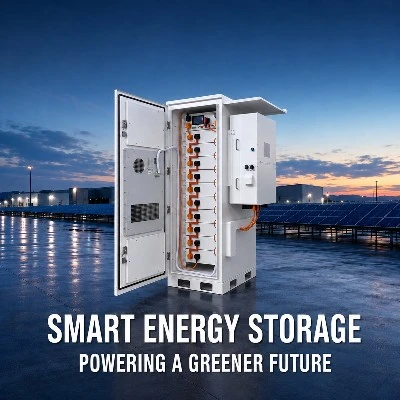
Example of a solar-plus-storage system architecture. Component ratings and compatibility depend on the selected models.
#1 Grid-tied rooftop system
A strong fit for homes and businesses that use power during daylight and have a suitable grid connection. It is often the simplest starting point when backup power is not required. Confirm export rules and remember that standard grid-tied systems usually shut down during a grid outage for safety.
#2 Hybrid rooftop system with battery
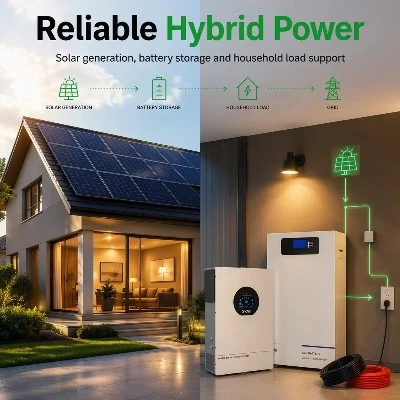
For buyers who want solar self-consumption and backup capability, a hybrid system combines PV, an inverter, storage and grid supply. Battery size should follow the loads that need backup and the duration required, not just the total household bill.
#3 Commercial rooftop PV
Factories, warehouses and offices may have useful roof area and daytime demand. Structural review, roof condition, fire access, electrical connection capacity and operating schedules all shape the project. A site survey is essential before quoting.
#4 Ground-mounted solar system
Ground mounting is useful when roof space is limited or a project needs larger capacity. Land, geotechnical conditions, drainage, row spacing, access roads and foundations become central design inputs.
#5 Off-grid home system with battery
For properties without dependable utility service, an off-grid system pairs PV and storage with an inverter designed to form a local supply. The load profile, cloudy-season solar resource and backup plan matter more than a generic kit size.
#6 Solar carport with EV charging
Commercial parking areas can support a canopy that generates electricity while providing vehicle shade. The project must coordinate parking geometry, structural clearance, drainage, charger power and the site's electrical service.
#7 Agricultural solar pumping system
Solar pumping can suit farms where water can be moved during sunny hours and stored in a tank. Pump selection depends on flow and total dynamic head; batteries are optional and should be evaluated against water storage and operating schedules.
#8 PV system with battery for peak management
Businesses facing demand charges or time-varying tariffs may consider storage to shift energy use. The savings depend on the local tariff, load profile, battery controls and cycling strategy, so a modeled analysis is needed.
#9 Solar plus generator hybrid for remote facilities
Where long cloudy periods or critical loads make PV and batteries alone impractical, a generator can provide backup. Fuel logistics, run hours, maintenance and control integration should be included in lifecycle planning.
#10 Direct-coupled solar water pumping
A simpler PV-to-pump arrangement can be effective when water is needed mainly in daylight and the pump controller matches the array. It has fewer storage components, but the service depends on available sun and correct pump sizing.

Solar PV system diagram illustrating how generation, storage, grid or generator supply and loads can be coordinated.
Which one should you choose?
Three questions usually narrow the options quickly: Is the grid available and reliable? Which loads must run, and at what times? Is backup required, and for how long? Next, provide the site location, roof or land details, utility voltage and frequency, monthly energy use, peak loads and target project capacity to a qualified designer or supplier.
For off-grid and hybrid systems, ask for the equipment model numbers and a written compatibility check across PV modules, inverter, battery and controls. For commercial projects, request a site-specific yield estimate and clear assumptions about shading, export limits and operating schedules.
Final takeaway
The best-ranked system is the one that matches the site's energy needs without adding equipment the project cannot use or maintain. Grid-tied rooftop PV is a practical default where the grid is stable and backup is not needed; hybrid, off-grid and specialized systems make sense when the project's operating conditions justify them.
SIY Solar works with residential and commercial PV, storage, mounting and project supply. Discuss your project requirements.
System selection, interconnection and installation requirements vary by market. Confirm the final design against local rules and the current documentation for each product.