





Off-Grid System Planning
How to Size an Off-Grid Solar System for a Remote Property
For a cabin, farm, telecom site or remote business, a reliable off-grid solar system starts with the load profile-not a headline system size. The PV array, inverter, battery and optional generator must be designed as one system for the location and the months when energy is hardest to produce.

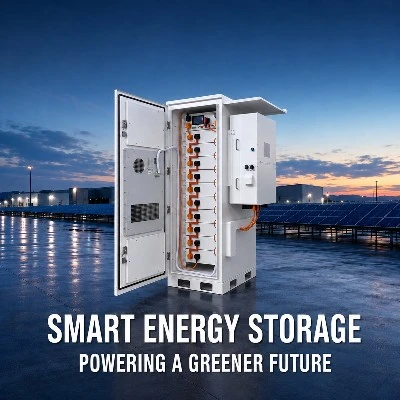
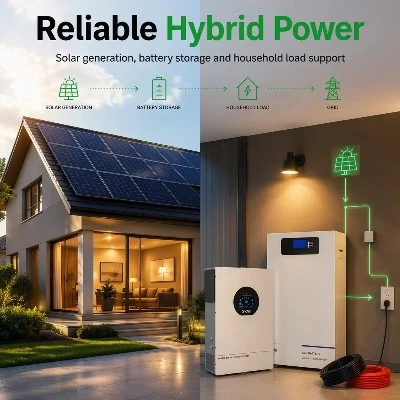
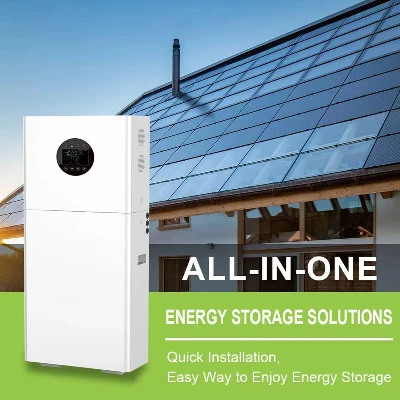
Off-grid system configuration and product image supplied in SIY Solar materials. Final design depends on site conditions and selected model specifications.
1. Build a realistic load schedule
Record each appliance, its rated watts, hours of use and whether it runs continuously or intermittently. Separate essential loads-such as refrigeration, pumps, lighting and communications-from flexible loads. Daily energy is approximately watts × operating hours, summed across equipment; real consumption should be measured where possible.
Do not overlook seasonal use, standby consumption, water pumps, workshop tools or heating and cooling. For motors, starting current can be several times running current, so an energy-only estimate can undersize the inverter.
2. Check peak and surge power
Add the loads that may operate at the same time to estimate continuous inverter demand. Then identify the largest startup surge and its duration. Confirm the inverter's continuous rating and surge rating under the relevant operating conditions; compare like-for-like units and durations.
3. Estimate solar production for the difficult season
PV output varies with location, season, shading, module orientation, temperature, dust and system losses. Use site-specific solar resource data and a conservative design-month estimate. A remote system designed around annual average sunshine may struggle during cloudy or winter periods.
4. Size battery energy around autonomy
Choose how long critical loads should run without useful solar charging. Convert that energy requirement into nominal battery capacity using the battery's usable depth of discharge and system efficiency. Also check discharge power: a battery with adequate kWh may still be unable to supply the required kW.

Example specification image from supplied product materials. Treat values as model-specific; use the current datasheet for the exact inverter and battery under consideration.
5. Match PV charging, inverter and battery limits
Confirm the inverter's PV input voltage and current limits, MPPT operating range, maximum charging current, supported battery voltage and BMS communication. Verify the chosen array's open-circuit voltage at the coldest expected temperature remains within equipment limits. Compatibility must be confirmed for exact model numbers.
6. Plan a backup strategy
For sites with prolonged cloudy periods, a generator or another backup source may improve resilience and reduce the need to oversize every component. Define when it starts, what it powers and whether it can charge the battery. Include fuel access, maintenance and noise constraints in the project plan.
7. Send the supplier the right project data
| Input | Why it matters |
|---|---|
| Country, coordinates and design season | Solar resource, temperature and local requirements |
| Appliance list, daily kWh and peak/surge loads | Inverter rating and energy sizing |
| Required autonomy and critical loads | Usable battery capacity |
| PV area, orientation and shading | Array layout and expected production |
| Generator plans, voltage/frequency and quantity | System architecture and quotation |
Frequently asked questions
How many days of battery backup do I need?
There is no universal number. Set autonomy based on local weather, critical loads, generator availability, budget and the service level the site requires.
Can I size an off-grid system from monthly electricity bills?
Bills provide a useful starting point, but appliance-level data and peak loads are needed to size the inverter and battery properly, especially where outages or seasonal operation matter.
Planning an off-grid project?
Share your location, appliance schedule, peak loads, desired autonomy, PV area and backup plans to request a system review.
This guide is for preliminary planning. Final engineering, equipment selection and installation must follow current product manuals and applicable local codes.