





Battery buying guide · Ranked by application fit
Top 10 Solar Batteries: A Practical Ranking by Use Case
The right solar battery is not simply the one with the largest capacity or the longest cycle-life claim. It is the one that matches the system voltage, daily energy demand, discharge power, installation environment and expected operating pattern. This guide ranks ten battery categories by how well they fit common solar applications-not by an unsupported global sales or brand ranking.

SIY Solar battery products shown in the production area.
Quick answer: For many stationary solar-storage projects, LiFePO4 batteries are a strong starting point because they are designed for repeated cycling and are available in multiple system configurations. The best option still depends on usable kWh, continuous and peak kW, inverter compatibility, environmental limits, warranty terms and the actual cycle-life test conditions.
About SIY Solar products: SIY Solar states that its batteries are assembled with A+ grade cells, offer up to 8,000 cycles, and receive charge and discharge testing before each product leaves the production line. "Up to" cycle life is a product claim whose applicable conditions should be checked in the datasheet and warranty: DoD, temperature, charge/discharge rate and end-of-life capacity threshold can all affect the result.
Top 10 battery types by application
LiFePO4 battery for residential solar storage
Best fit: daily home cyclingChemistry: lithium iron phosphateLiFePO4, also called LFP, is a common choice for stationary solar storage where the battery charges and discharges regularly. Buyers can compare usable energy, continuous output, operating temperature, communication with the inverter and the manufacturer's cycle-life conditions. The chemistry name alone does not establish the quality of cells, battery management or finished-product testing.
Check before purchase: the usable kWh at the stated DoD, continuous and peak discharge current, supported inverter list, warranty throughput and temperature limits.
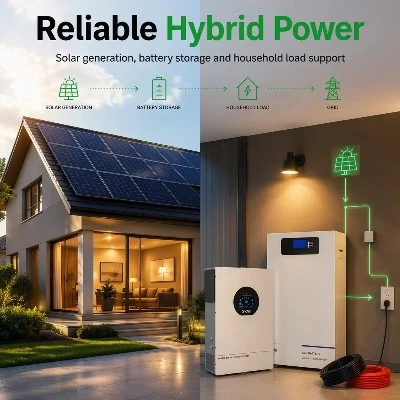
Wall-mounted home energy storage battery
Best fit: space-conscious residential installationA wall-mounted battery can keep a home storage installation compact and accessible. It may suit hybrid inverter systems when voltage, communication protocol and protection requirements match. Confirm the wall structure, clearances, indoor/outdoor rating and whether the quoted package includes cables, breakers and monitoring equipment.
Rack-mounted LiFePO4 battery
Best fit: modular systems and equipment roomsRack batteries are designed to be installed in a cabinet or equipment rack, often with multiple units connected for additional capacity. This format can help standardize wiring and expansion in residential, telecom or small commercial projects. Verify series/parallel limits, rack dimensions, communication cabling and the battery management system's coordination across units.

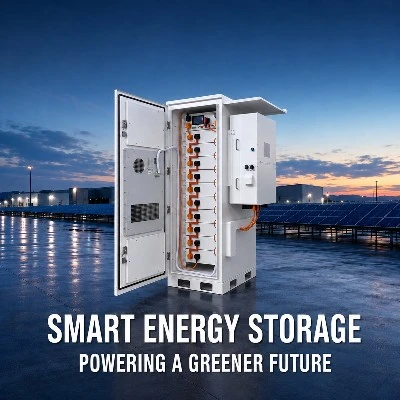
Product enclosure and internal assembly shown in a supplied SIY Solar battery photo.
High-voltage battery system
Best fit: compatible hybrid and commercial systemsHigh-voltage batteries operate within a higher DC voltage range and must be paired with compatible inverters and protection equipment. They can be used in system designs where the inverter architecture calls for high-voltage storage. Installation and commissioning should follow the product documentation, with attention to isolation, communication, fault protection and service access.
Low-voltage 48 V-class battery
Best fit: common off-grid and residential configurationsLow-voltage batteries, often used in 48 V-class systems, are available for a broad range of off-grid and backup applications. Ensure the inverter's voltage window and current limits match the battery. At higher power levels, DC current can be substantial, so cable size, connection quality, overcurrent protection and parallel configuration become especially important.
Commercial and industrial battery energy storage
Best fit: facilities with defined peak or resilience goalsCommercial and industrial battery systems are sized around facility load data and operating objectives. The application may involve solar self-consumption, peak management, backup for selected processes or other site-specific controls. Buyers should request a system-level proposal covering usable capacity, power rating, battery enclosure, thermal management, fire protection, EMS functions, commissioning and service response.

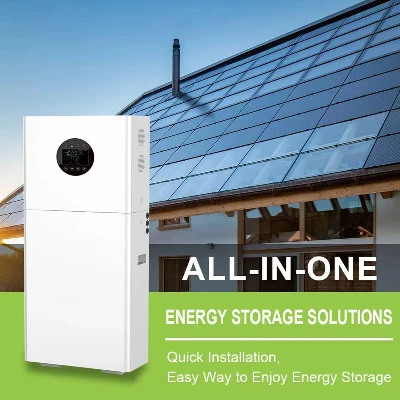
SIY Solar all-in-one energy storage product range; confirm the exact power and capacity of each model from its datasheet.
Battery for off-grid solar systems
Best fit: remote sites without utility supportOff-grid storage must bridge the gap between solar production and load demand, including nights and low-sun periods. Capacity depends on daily energy consumption, autonomy target, usable DoD, conversion losses and seasonal generation. Consider how the system will operate through extended cloudy weather and whether a generator or controllable loads are part of the design.
Battery for telecom and remote monitoring
Best fit: continuous low-power loadsTelecom equipment, cameras and sensors may need continuous operation at unattended sites. A battery for this application should be assessed for standby duration, temperature range, remote monitoring, low-temperature charging limits and enclosure protection. Use measured load data where possible rather than relying only on equipment nameplate ratings.
Portable power station battery
Best fit: mobile and temporary electricityPortable power stations combine a battery and inverter in a transportable product. They are convenient for temporary loads, field work or emergency use, but have defined output and capacity limits. Compare usable Wh, AC output, surge power, recharge options, weight and whether the unit supports the intended equipment.
Lead-acid battery for budget-sensitive or existing systems
Best fit: selected legacy installationsLead-acid batteries may be considered where an existing system is designed around them or initial equipment cost is the main constraint. Their usable capacity, maintenance needs, cycle life and performance under deep discharge differ from lithium products. Compare total expected service cost and usable energy rather than purchase price alone.
How to compare solar batteries fairly
| Specification | Why buyers should check it |
|---|---|
| Nominal and usable capacity (kWh) | Usable energy is affected by DoD limits and system settings. |
| Continuous and peak power (kW) | Determines the loads the battery can run at once and handle during startup. |
| Cycle life and test conditions | Compare DoD, temperature, C-rate and end-of-life capacity threshold. |
| Inverter compatibility | Voltage range, current limits and communication protocol must match. |
| Warranty | Check duration, throughput, exclusions and claim process. |
| Quality checks | Ask what tests are performed on cells, battery packs and finished units, and what records are available. |
What "up to 8,000 cycles" means
A cycle-life figure is meaningful only alongside its test conditions. It may refer to a specified depth of discharge, temperature, charge/discharge rate and remaining-capacity threshold. Real installations also experience variable loads, idle time and ambient conditions. For a project evaluation, request the model-specific datasheet and warranty terms that define the 8,000-cycle claim, and compare those conditions with the intended daily use.
How SIY Solar approaches battery quality checks
SIY Solar states that it uses A+ grade cells in its battery products and performs a charge and discharge test on every product before it leaves the production line. For procurement, buyers can ask which test parameters are recorded, how battery voltage and capacity are checked, whether the BMS protections are verified, and whether serial-number-level test reports are available for the order.
These questions turn a general quality statement into verifiable procurement information. They also help installers confirm that the delivered model matches the approved design and that the battery is compatible with the selected inverter.
Frequently asked questions
What is the best battery chemistry for solar storage?
LiFePO4 is widely used in stationary solar storage, but the best chemistry depends on application, product design, operating conditions, safety requirements, service support and lifecycle cost. Compare specific models and certifications rather than chemistry labels alone.
How many cycles do SIY Solar batteries provide?
SIY Solar states that its batteries can provide up to 8,000 cycles. Confirm the applicable model's datasheet and warranty for depth of discharge, temperature, charge/discharge rate and end-of-life capacity conditions.
Are SIY Solar batteries tested before shipment?
SIY Solar states that each product receives charge and discharge testing before leaving the production line. Buyers can ask for details about the test procedure and available records for their order.
How much battery capacity do I need?
Start with the loads to be supplied, their daily energy use, required backup duration and the inverter's power limits. Then account for usable DoD, conversion losses, temperature and expected solar recharge. A system designer can translate those inputs into a suitable nominal capacity.
Conclusion
For many solar-storage projects, LiFePO4 formats lead the shortlist, but the ideal battery depends on the application. Home backup, off-grid power, telecom, commercial storage and portable use place different demands on capacity, output, voltage and enclosure design. Compare usable energy, power, compatibility, lifecycle conditions, warranty and testing records before making a decision.
Explore SIY Solar energy storage batteries, all-in-one energy storage systems and commercial solar systems.
Looking for a battery for your project?
Send SIY Solar your application, inverter model, voltage, required usable capacity and target backup duration.
WhatsApp: +86 180 5335 1652
Email: info@siysolar.com
Request a quote
Product performance varies by model and operating conditions. Confirm all cycle-life, capacity, compatibility, certification and warranty details in the applicable product documentation.