





Solar Pumping for Farms
Planning a Solar-Powered Irrigation Pump for Your Farm
A solar pump can look simple on paper: panels, a controller and a pump. On a farm, the harder question is whether it will deliver enough water on the days and at the hours you need it. The answer depends less on a headline motor size than on your water source, lift, pipework and irrigation schedule.

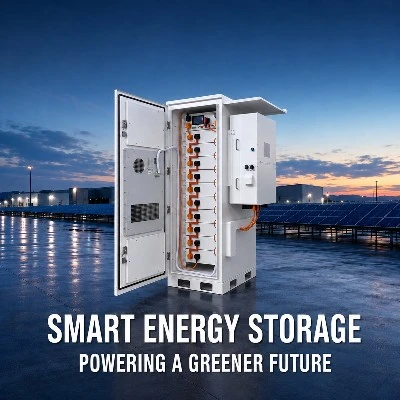
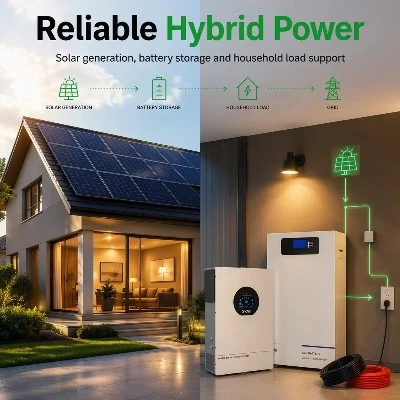
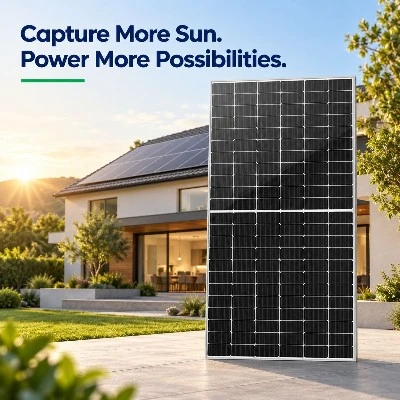
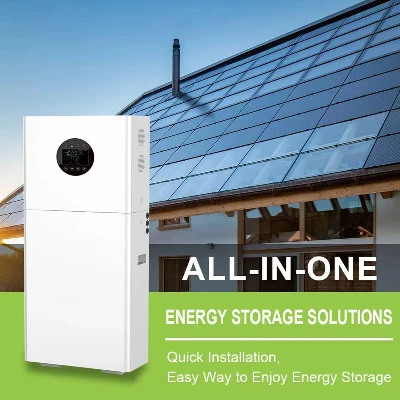
Solar-energy application image from SIY Solar supplied materials. The pump and system layout must be selected for the actual site.
First work out the water job
Water demand changes through the year. A system sized for a mild month may fall short during the hottest part of the growing season, while sizing for the absolute peak can add cost if that peak lasts only a few days. Note the crops, irrigated area, watering method and months of operation. Include livestock or household use if they share the same source.
Then estimate how much water must be delivered on a normal day and on a peak-demand day. If you can, use records from the existing pump or meter. A measured figure is more useful than a broad estimate based on land area alone.
Flow is only half of pump selection
The pump also has to overcome total dynamic head: the vertical lift from the water level, the elevation of the outlet, any pressure needed by the irrigation equipment, and losses in pipes, filters, valves and bends. A long, narrow pipe can add meaningful resistance even when the field looks flat.
Ask for the pump's performance at your required flow and head. Maximum flow and maximum head are usually separate ends of a pump's operating range; neither figure by itself tells you what the pump will deliver in your installation.
Match the solar array to the season you care about
Solar production varies with location, month, shade, panel direction and temperature. That matters because irrigation demand often rises during the same hot, dry period when the system is working hardest. Have the array checked against local solar conditions for the months when you need the water, rather than relying on an annual average.
The controller and pump must also suit the PV array electrically. Before ordering, confirm the controller's input-voltage and current limits, the motor requirements and the proposed panel-string configuration. The final design should use the pump and controller manuals for the exact models.
Store water, or store electricity?
If pumping can happen during daylight, a tank or reservoir may be the simpler way to make water available later. It avoids adding battery capacity, although the tank needs space and its height or pressure requirements affect the pump.
Batteries can make sense when pumping must continue after sunset or when the site has other loads to support. They also add equipment, controls and replacement considerations. Compare both approaches against your actual schedule: how much water must be ready at dawn, how much can be pumped during sunny hours, and what happens after several cloudy days?
Details that are easy to miss
- Dry-run protection: consider what happens if a well or tank level drops below the pump intake.
- Water quality: sand or debris may require filtration and can affect pump wear.
- Service access: place the controller and isolation points where a technician can reach them safely.
- Pipe losses: share pipe length, diameter, material, fittings and required pressure with the pump supplier.
- Seasonal operation: tell the supplier if the system will be idle during part of the year or moved between fields.
What to send with a quotation request
A useful first inquiry does not need a finished engineering package. Send the project location, water source and depth, delivery point elevation, daily water target, pipe details and operating months. Add the irrigation method, available tank space, any existing pump data and whether you want water storage, batteries or a backup source. With those inputs, suppliers can ask focused follow-up questions instead of guessing at the duty point.
Common questions
Does a solar irrigation pump need batteries?
Not necessarily. If you can pump during sunny hours and store the water, a tank may cover later use. Batteries are an option when the pumping schedule or other site loads require electricity outside solar hours.
Can I choose the pump by horsepower?
Horsepower alone is not enough. The pump needs to meet the required flow at the system's total dynamic head, and its motor must work with the selected controller and PV configuration.
Why might the delivered water volume be lower than expected?
Common causes include a greater-than-estimated lift, pipe friction, seasonal low sunlight, shading, clogged filters or a pump selected for the wrong operating point. Comparing the commissioned system with the original assumptions helps pinpoint the issue.
Putting together an agricultural solar project?
Send SIY Solar your location, water requirement, source depth, delivery elevation, pipe details and operating schedule to start a system discussion.
This article is a planning aid. Confirm pump, controller and electrical selections against current product documentation and site measurements with qualified project professionals.