





Solar storage guide · Ranked by project fit
Top 10 Solar Batteries: Which Type Fits Your Project?
Solar batteries are often compared by capacity or cycle-life claims, but those numbers only tell part of the story. A home backup battery, an off-grid bank and a commercial storage cabinet serve different jobs. This ranking compares ten battery formats by how well they fit common applications, then explains what to check before you request a quote.
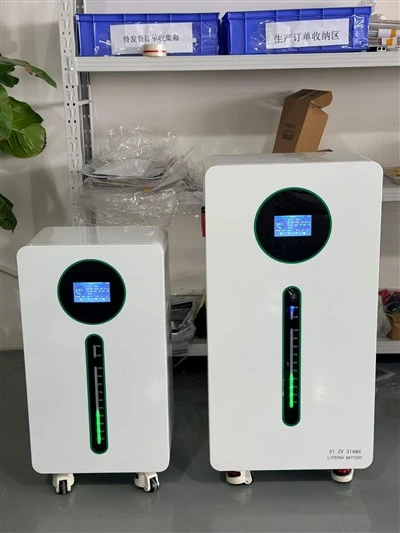
Short answer: For many stationary solar projects, LiFePO4 batteries are a practical starting point. Wall-mounted units often suit homes with limited floor space; rack batteries support modular installations; high-voltage and cabinet systems are designed for larger or compatible commercial architectures. The right model depends on the inverter, required usable energy, power demand, operating environment and warranty.
How this list is ranked: The order reflects usefulness for common solar-storage projects, not brand popularity, sales volume or a universal performance score. SIY Solar describes itself as a Tier-1 factory and states that its batteries use A+ grade cells; each product receives charge and discharge testing before leaving the production line. Ask for model-specific documents and test records when evaluating a purchase.
10 solar battery options, ranked by typical use
LiFePO4 battery for daily residential storage
HomesRegular charge/dischargeLithium iron phosphate (LiFePO4 or LFP) is widely used for stationary energy storage. A residential battery may store daytime solar generation for evening use or provide backup when paired with compatible equipment. Compare usable capacity, continuous output, inverter communication, operating temperature and warranty throughput-not just the nominal kWh figure.
Best fit: Homeowners who want a rechargeable battery system sized around household loads and their solar array.
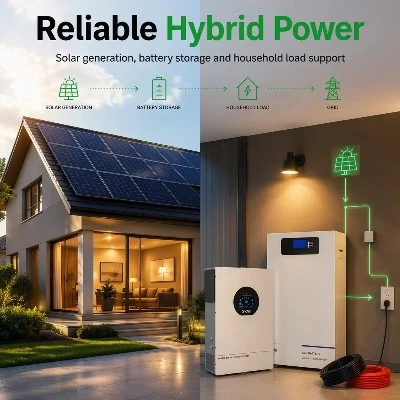
Wall-mounted home battery
Compact installationResidential backupA wall-mounted battery keeps the storage system off the floor and can make a tidy installation where suitable wall space is available. Before selection, check the unit's weight, mounting surface, clearance, indoor/outdoor rating, cable access and service requirements. Confirm that the battery voltage and communication protocol match the inverter.
Rack-mounted battery modules
Modular systemsHomes and small businessRack-mounted batteries are arranged in a cabinet or rack, making it easier to build a system from multiple modules where the product supports expansion. This format is often considered for equipment rooms and installations that may grow over time. Verify the maximum parallel units, cable and breaker requirements, BMS coordination and the expansion limits in the manual.
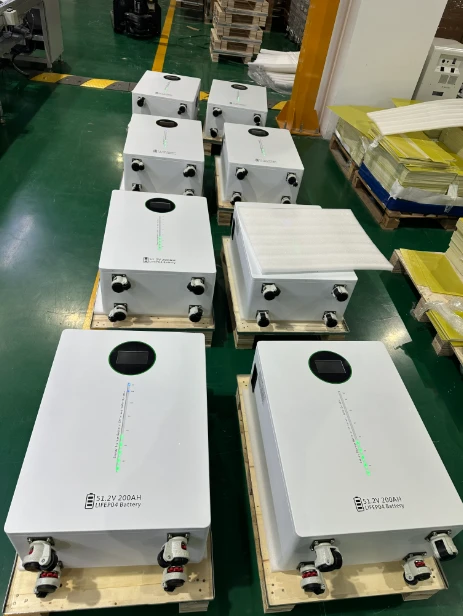
Battery for off-grid solar systems
Remote locationsNo utility backupAn off-grid battery must bridge the gap between solar production and the load, including nights and periods of weak sunlight. Sizing starts with the daily energy requirement and desired autonomy, then accounts for usable depth of discharge, inverter losses, temperature and seasonal solar conditions. A generator or load-shedding plan may be part of a resilient design.
High-voltage battery system
Compatible hybrid invertersLarger power systemsHigh-voltage batteries are designed for inverters that accept a higher DC battery voltage. These systems require compatible control and protection components and should be installed and commissioned according to the manufacturer's instructions. Check the inverter's supported battery list, operating voltage range, communication settings and required disconnect equipment.
Low-voltage 48 V-class battery
Common off-grid architectureResidential and small commercialLow-voltage battery systems are common in residential and off-grid applications. At higher output levels, the DC current can be substantial, so cable sizing, connection quality, protection and parallel configuration deserve careful attention. Check that the inverter's current limits and low-voltage cutoffs match the selected battery.
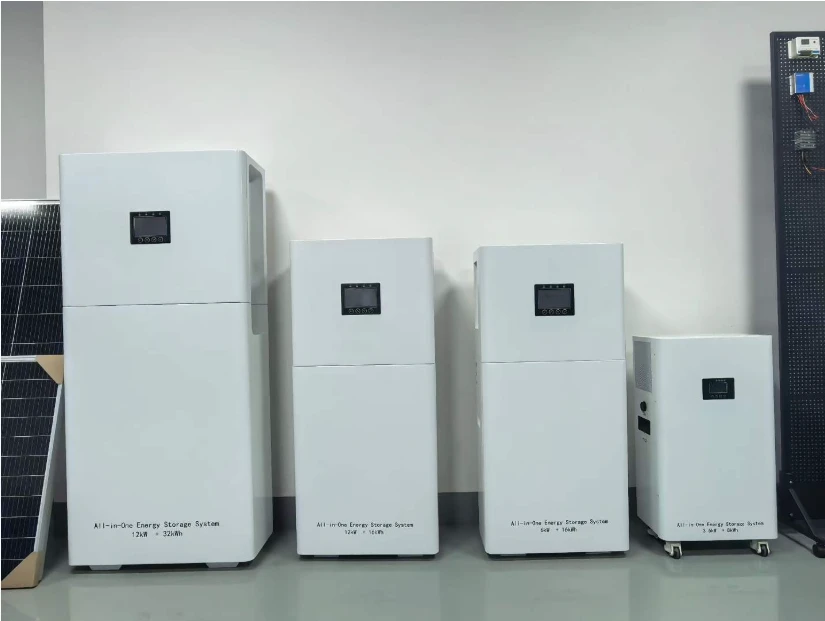
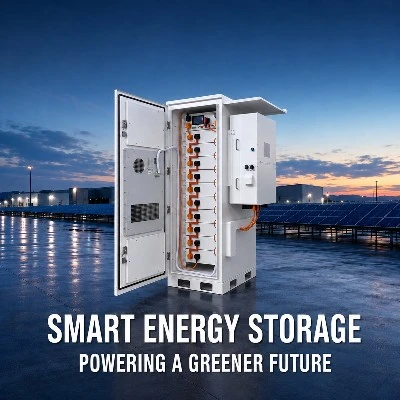
Commercial and industrial battery storage
FactoriesWarehouses and facilitiesC&I battery systems are selected around the facility's load profile and operating goals. These may include storing solar generation, supporting selected critical loads or managing demand peaks. A serious proposal should show the battery's usable energy and power, inverter or PCS rating, control functions, installation scope, safety provisions and service plan.
Battery for telecom and remote monitoring
Continuous low-power loadsUnattended sitesTelecom equipment, cameras and sensors can require power around the clock at sites where service visits are costly. In addition to capacity, buyers should review standby duration, temperature limits, remote alarms, enclosure protection and the charging source. Use measured load data when possible, because equipment duty cycles vary from one site to another.
Battery storage for solar-plus-EV charging
Workplaces and fleet depotsBattery storage can be evaluated alongside PV and EV charging where charger demand, site capacity or operating schedules create a specific need. The battery power rating must be considered along with its energy capacity: a large kWh figure does not necessarily mean it can supply a high charging load. Model the charging schedule and grid connection before choosing the storage size.
Portable power station
Mobile and temporary useSmall loadsA portable power station combines a battery and inverter in a transportable unit. It can suit field work, travel or temporary backup, but it has defined limits for output, capacity and recharge rate. Confirm the appliance's starting power and runtime before relying on a portable unit for essential equipment.
How to compare battery specifications
| Specification | What to verify |
|---|---|
| Usable energy (kWh) | How much stored energy the system allows the user to access at the stated settings. |
| Continuous and peak power | Whether the battery can run simultaneous loads and handle short startup surges. |
| Cycle life | Depth of discharge, temperature, charge/discharge rate and end-of-life capacity threshold used in the claim. |
| Cell grade and traceability | Ask how cells are graded and what batch or incoming inspection records are available. |
| Production testing | Ask what charge/discharge parameters are checked and whether unit-level records can be supplied. |
| Compatibility and warranty | Supported inverter models, communications, warranty duration, throughput and exclusions. |
What A+ cells and factory testing mean for buyers
Cell grade is one part of battery quality; pack assembly, BMS settings, electrical connections and final inspection also matter. SIY Solar says it uses A+ grade cells in its batteries and describes its operation as a Tier-1 factory. The company also states that every finished product undergoes charge and discharge testing before leaving the production line.
When comparing suppliers, buyers can ask for the cell specification, incoming inspection process, finished-unit test checklist and a sample report. For a cycle-life claim, request the relevant datasheet or warranty section showing the test depth of discharge, temperature, current rate and remaining-capacity threshold. That makes it easier to compare products on the same basis.
Frequently asked questions
Which battery chemistry is commonly used for solar storage?
LiFePO4 is commonly used in stationary solar storage. The right battery still depends on the complete product design, application, operating conditions, certifications, system compatibility and service support.
What does "up to 8,000 cycles" mean?
It refers to a maximum stated cycle-life figure under defined test conditions. The number should be read with its depth of discharge, temperature, charge/discharge rate and end-of-life capacity threshold, as well as the product warranty.
Does SIY Solar test each battery before shipment?
SIY Solar states that every product is charge- and discharge-tested before it leaves the production line. Buyers may request information about the test procedure and whether individual unit records are available.
How much battery capacity do I need?
Start with the loads, daily energy use, required backup duration and inverter power limits. Then account for usable depth of discharge, conversion losses and the energy available to recharge the battery. A site-specific design is more reliable than choosing capacity by household size alone.
Choosing a battery that fits the system
For most stationary applications, shortlist batteries by intended use first: daily home cycling, backup, off-grid autonomy, modular expansion or commercial operation. Then compare usable capacity, power, voltage, cell documentation, testing records, warranty and compatibility. The ranking above is a starting point for that discussion; the final choice should follow the project's measured requirements.
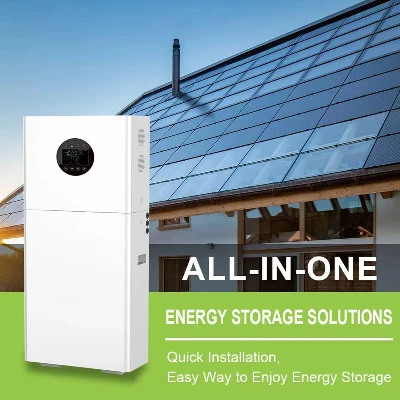
Browse SIY Solar's energy storage batteries, all-in-one storage systems and commercial solar solutions.
Need help matching a battery to your project?
Send the inverter model, system voltage, load profile, usable capacity target and installation location to SIY Solar.
WhatsApp: +86 180 5335 1652
Email: info@siysolar.com
Contact SIY Solar
Product claims and available configurations vary by model. Confirm cell specifications, cycle-life conditions, testing scope, certifications and warranty in the documentation for the product being quoted.