





Top 10 Solar Inverters Ranked by Application | SIY Solar
Solar equipment guide · Ranked by application fit
Top 10 Solar Inverters: Which Type Fits Your Project?
A solar inverter does more than convert direct current from PV modules into usable AC power. It also affects how a system handles batteries, grid outages, expansion and monitoring. The right inverter depends on the project architecture. This guide ranks ten inverter types by how well they suit common applications-not by brand sales or a universal performance score.
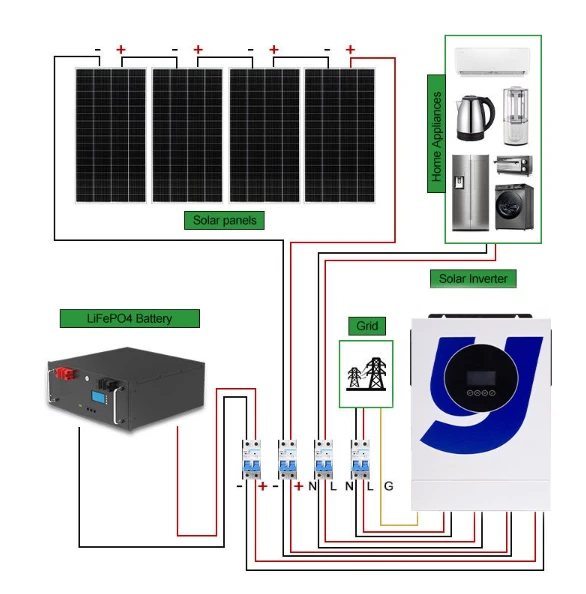
Quick answer: Hybrid inverters are a flexible option for many grid-connected projects that include batteries. Grid-tied string inverters are often considered when solar generation and grid connection are the main requirements. Off-grid inverters are designed for sites without utility support. Microinverters and optimizers can suit arrays with module-level variation, while commercial projects may require higher-power or three-phase equipment.
Ranking method: The list orders inverter categories by suitability for common use cases and breadth of application. It does not compare specific brands. Actual performance depends on model specifications, system design, installation, local grid rules and operating conditions.
10 solar inverter types, ranked for typical projects
Hybrid solar inverter
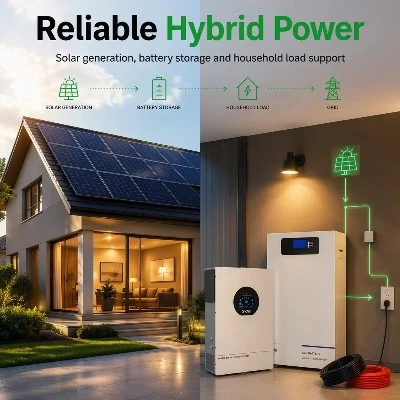
Grid-connected + batteryHomes and small businessesA hybrid inverter coordinates PV generation, battery storage and the utility grid. Depending on the model and configuration, it can prioritize solar power for loads, charge a battery, draw from the grid or provide backup to selected circuits. Buyers should confirm backup output, transfer behavior, battery compatibility, export control and whether additional switching equipment is required.
Best fit: A grid-connected site that wants storage now or plans to add it later, subject to the inverter's supported architecture.
Off-grid solar inverter
Remote and independent powerBattery required by designAn off-grid inverter supplies AC loads without a utility connection. It is commonly paired with PV modules and batteries, and may support generator input. Since there is no grid to cover an energy shortfall, check continuous and surge ratings, battery voltage range, charging inputs and generator compatibility. System sizing should reflect real load and seasonal solar data.
Best fit: Remote properties, farms, telecom sites and other locations where grid service is unavailable or impractical.
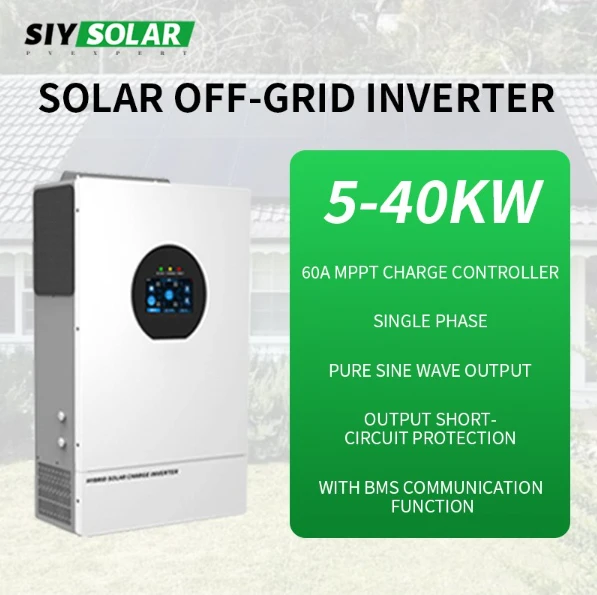
Off-grid inverter selection starts with the load profile and battery architecture.
Grid-tied string inverter
Rooftop and ground-mount PVNo battery integration requiredA string inverter converts DC electricity from one or more PV strings into AC power for on-site use or grid export where permitted. It can be a straightforward choice for arrays with consistent orientation and limited shading. A standard grid-tied inverter generally disconnects during a grid outage; backup requires a design that can safely operate independently from the grid.
Three-phase commercial inverter
Commercial rooftopsBalanced three-phase loadsThree-phase inverters are built for facilities with three-phase electrical service and larger PV arrays. Check voltage and frequency requirements, phase balance, power factor controls, monitoring, protection and utility interconnection rules. For larger installations, confirm how multiple inverters coordinate and how the system will be maintained.
Microinverter system
Module-level conversionComplex roof layoutsMicroinverters convert DC to AC at or near each PV module. Module-level operation can be useful where roof planes differ or partial shading affects individual panels. The design adds equipment at the array and requires attention to system monitoring, rooftop access, AC wiring and replacement procedures.
String inverter with DC optimizers
Module-level monitoringShading or mixed orientationsDC optimizers operate with a compatible string inverter and add module-level power electronics. They can help manage mismatch in certain array layouts and provide module-level monitoring, depending on the system. Review compatibility, additional rooftop components, warranty coverage and the expected benefit for the actual shading conditions.
Battery inverter for AC-coupled storage
Retrofit storageExisting PV systemsA battery inverter manages charging and discharging of storage on the AC side of an existing PV system. This can be considered for retrofits where replacing the original solar inverter is not desirable. The design must account for conversion losses, controls, backup switching and how the battery inverter communicates with the existing equipment.
Central inverter
Large ground-mounted arraysUtility-scale applicationsCentral inverters aggregate power from a large number of PV strings and are used in larger installations. They can suit projects with centralized electrical infrastructure, but require careful design of DC collection, protection, access, redundancy and service planning. Project engineering should evaluate availability and maintenance strategy alongside rated power.
Hybrid inverter with generator support
Weak-grid or remote applicationsMultiple charging sourcesSome hybrid and off-grid inverters can accept generator input to supplement solar and batteries. This can provide an additional energy source during extended low-solar periods, but integration depends on generator voltage, frequency, power and control signals. Confirm operating sequences, transfer arrangements and protection requirements with the equipment supplier.
Low-voltage DC power controller or inverter
Dedicated DC loadsSensors and communicationsFor small systems dominated by DC equipment, a DC controller or compact inverter may keep the architecture simple. Choose equipment to match load voltage, current, surge behavior and environmental conditions. If AC appliances are introduced later, an inverter may be needed, so consider expansion plans from the start.
How to choose an inverter without overbuying
| What to check | Why it matters |
|---|---|
| PV input voltage and current | Must fit the module string design across expected temperatures. |
| Continuous and surge AC output | Determines which loads can run together and whether motors can start. |
| Battery compatibility | Voltage range, supported models and communications must match. |
| Backup operation | Confirm supported circuits, transfer equipment and islanding behavior. |
| Grid code and certifications | Requirements vary by country, utility and installation type. |
| Monitoring and service | Check available data, alert functions, firmware support and local service access. |
Common inverter selection mistakes
- Assuming every hybrid inverter provides whole-building backup.
- Choosing by rated kW alone without checking peak loads and startup surges.
- Ignoring PV string voltage at the site's lowest expected temperature.
- Pairing a battery without confirming the inverter's approved compatibility list.
- Overlooking local utility approval, export limits and grid settings.
Frequently asked questions
Which solar inverter is best for home use?
A grid-tied inverter may fit a home focused on solar generation, while a hybrid model may be more suitable when battery storage or backup is part of the plan. Compare roof layout, electricity tariffs, outage needs and local utility rules.
Can a grid-tied inverter work when the power is out?
A standard grid-tied inverter typically shuts down when the grid fails. Backup operation requires compatible equipment and a configuration designed to isolate from the grid and supply specified loads safely.
Is an off-grid inverter the same as a hybrid inverter?
They can share features, but the terms describe different system roles. Hybrid equipment generally coordinates with the utility grid and storage, while off-grid equipment is designed to operate without the grid. Check the specific model's supported modes.
Do I need a three-phase inverter?
That depends on the site's electrical service, load arrangement, PV size and local interconnection requirements. Have an installer review the electrical design before selecting single-phase or three-phase equipment.
Final recommendation
Choose an inverter based on the system it must control. Hybrid models are often shortlisted for grid-connected storage, off-grid models for independent power, and string, microinverter or optimizer designs for different PV layouts. Commercial and utility projects need equipment rated and configured for their electrical infrastructure. Request the datasheet, wiring diagram, compatibility list and backup description before finalizing a quote.
Explore SIY Solar solar inverters, off-grid solar systems and energy storage batteries.
Discuss an inverter for your project
Send SIY Solar the PV array details, battery model, site grid type and loads you need to support.
WhatsApp: +86 180 5335 1652
Email: info@siysolar.com
Request a quote
This ranking compares inverter categories by typical project fit. Features vary by model and local requirements; confirm technical specifications with the manufacturer and a qualified installer.